Lisbon is a city that prides itself on its maritime history and more importantly the role Portugal played in discovering new lands. A city on a beautiful river (the Tagus) that opens up to the wide North Atlantic Ocean, it was a perfect spot for setting sail to Africa and Brazil (where many Portuguese colonies were established).
Gretchen traveled on with us to explore this city, and we all decided that Portugal was definitely worth the venture. We know we will be spending more time here in the future!
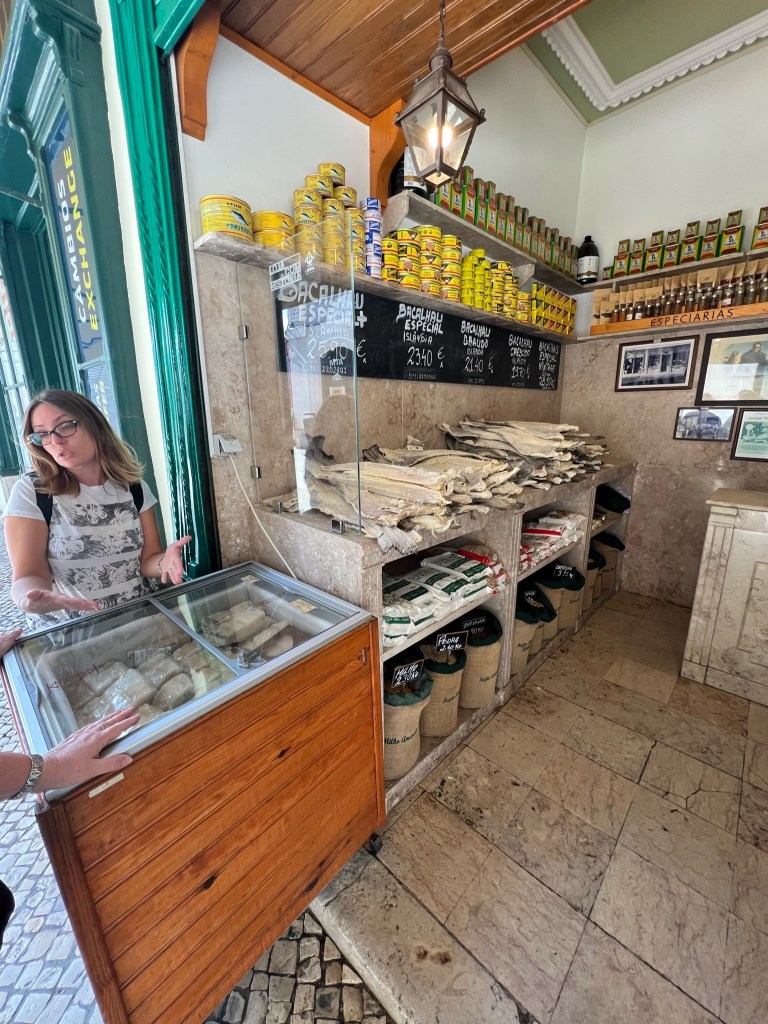
Day 1 we started out by exploring on foot and on sea. Day 2 had us taking a “Tuk Tuk” tour to explore the vistas of the city and get an overview of the central areas. That was followed by a walking food tour. And day 3 had us being picked up by a driver AND guide (how special) and heading out to Cascais and Sintra. Day 4 was a little more low-key as we were all exhausted, but we did manage to take in a few sites and do MORE walking!
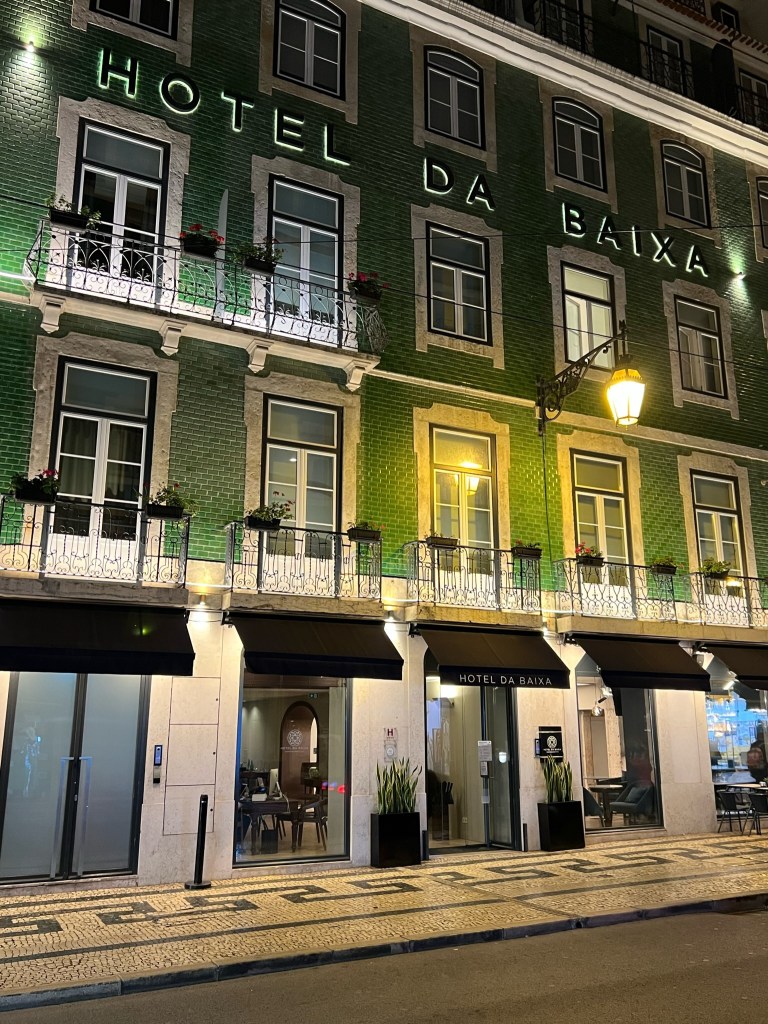
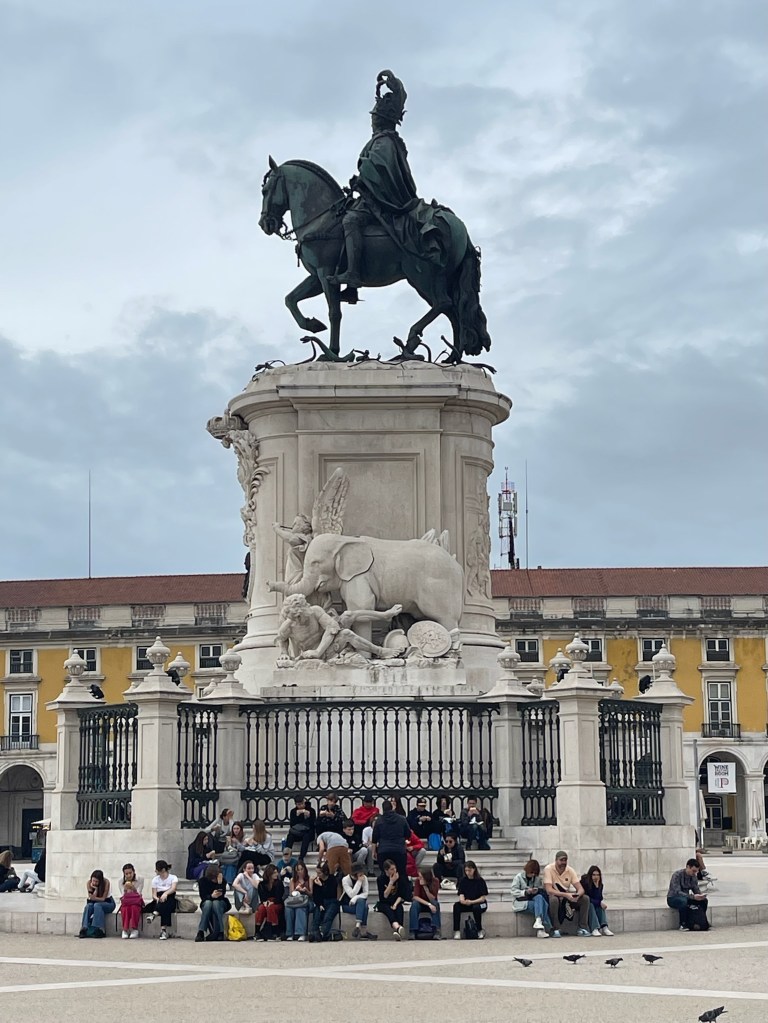
Our hotel (Hotel da Baixa) was conveniently located just a few blocks from Praca do Comercio, the main square on the river. It was fabulous being located in the heart of the city, so convenient to walk everywhere and experience the liveliness that Lisbon has to offer.
Lisbon was rebuilt in the late 1700s after a devastating 9.1 earthquake in 1755 followed by tsunami and fire. It is a city of both old (the historic Alfama district mostly remained intact) and new since much of the remainder of the city was rebuilt in the “new” architectural style of that day. Current Lisboners highly credit King Jose I and his very progressive minister who undertook a major rebuilding in a short period of time,

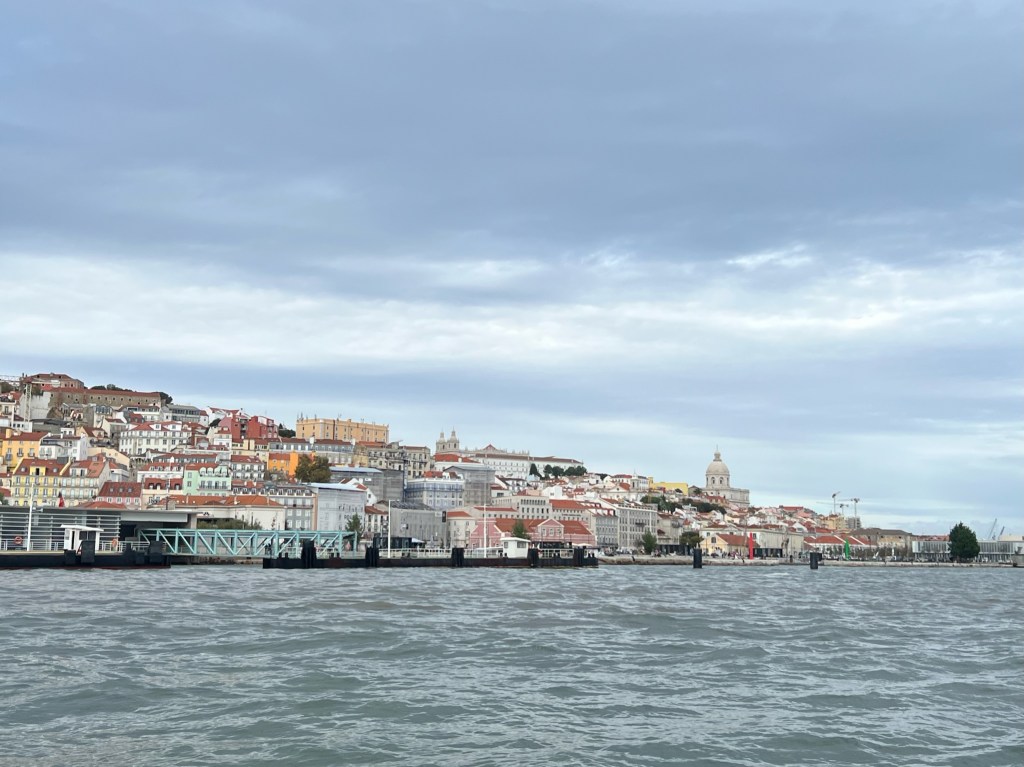
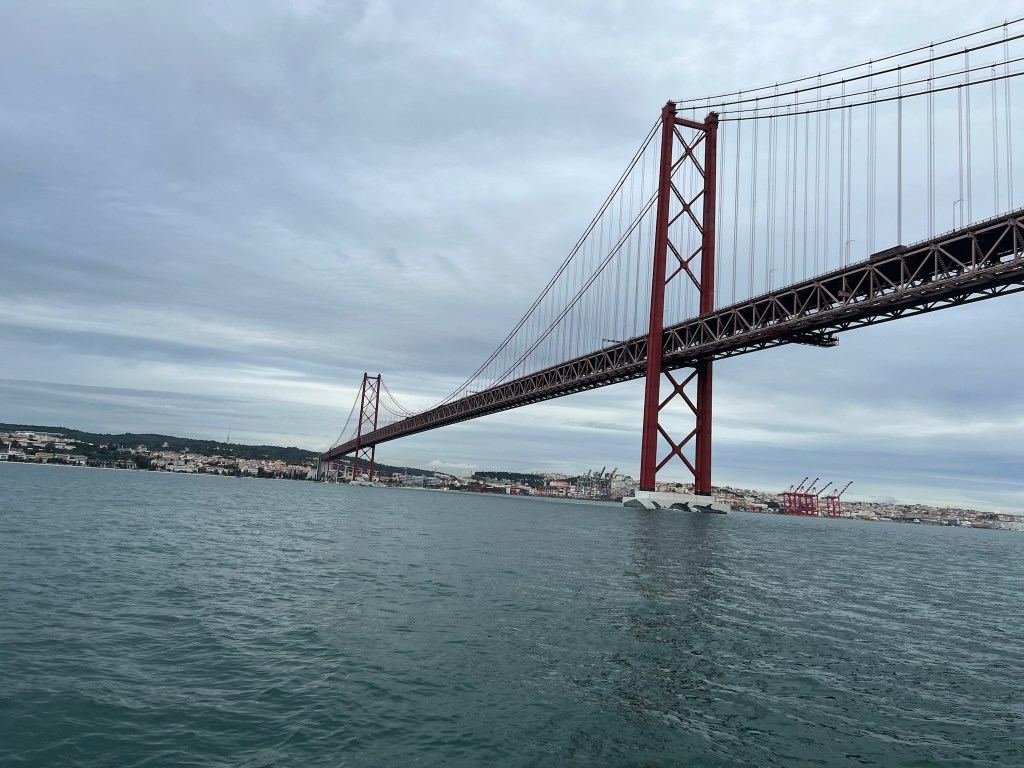
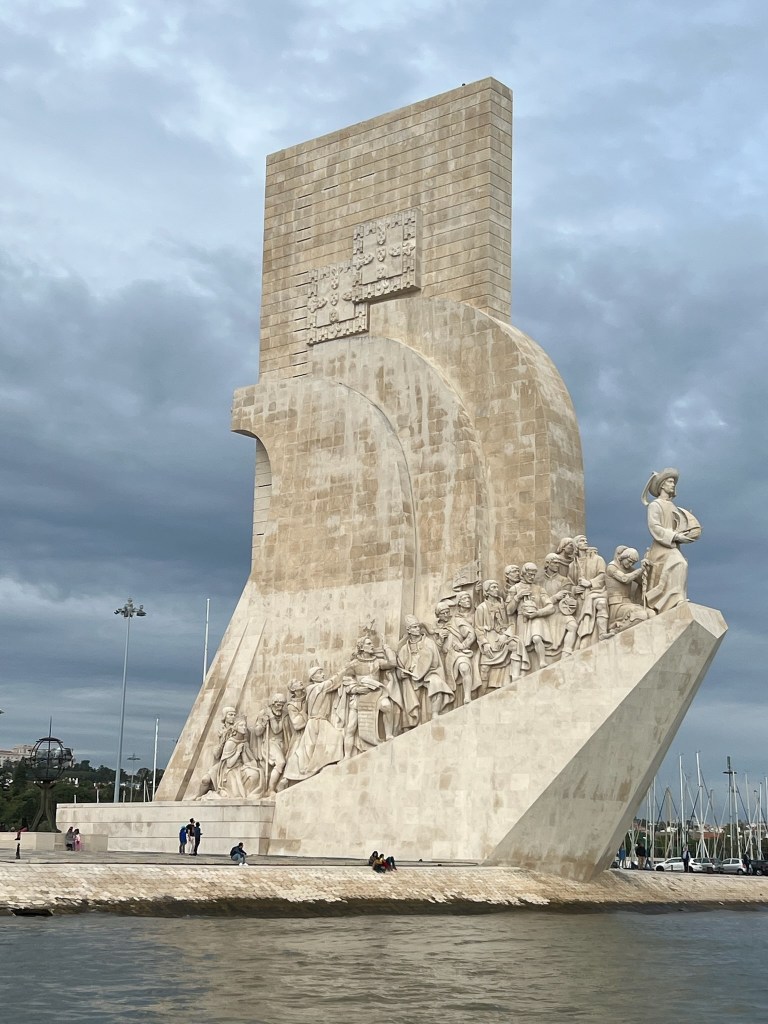
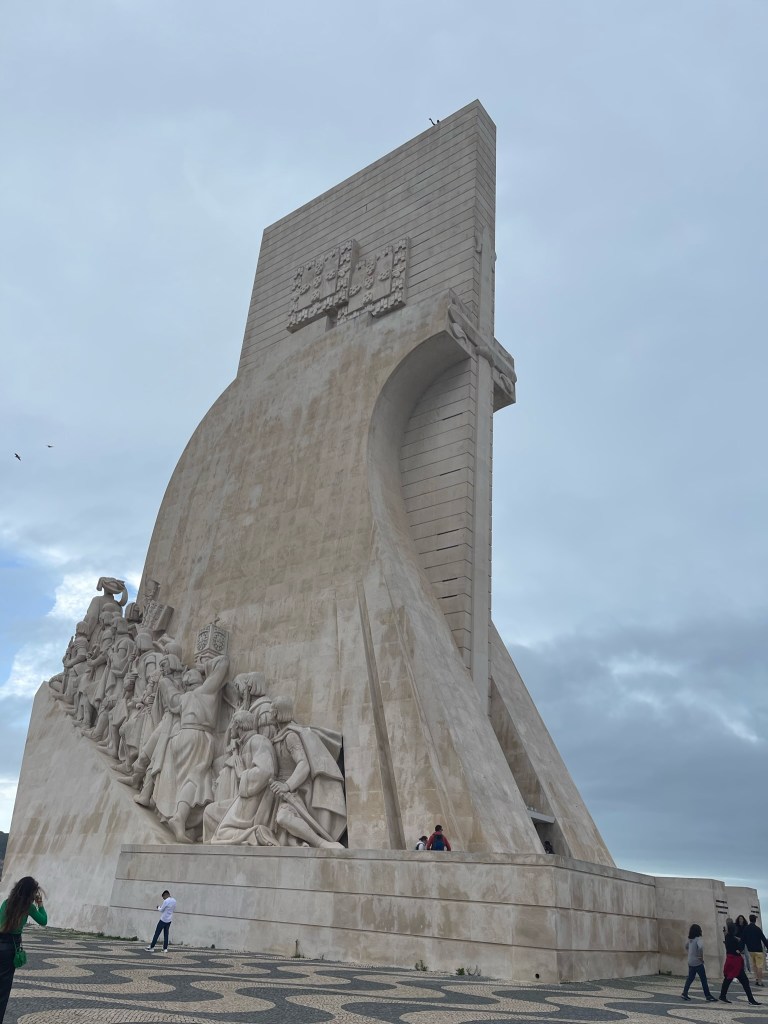
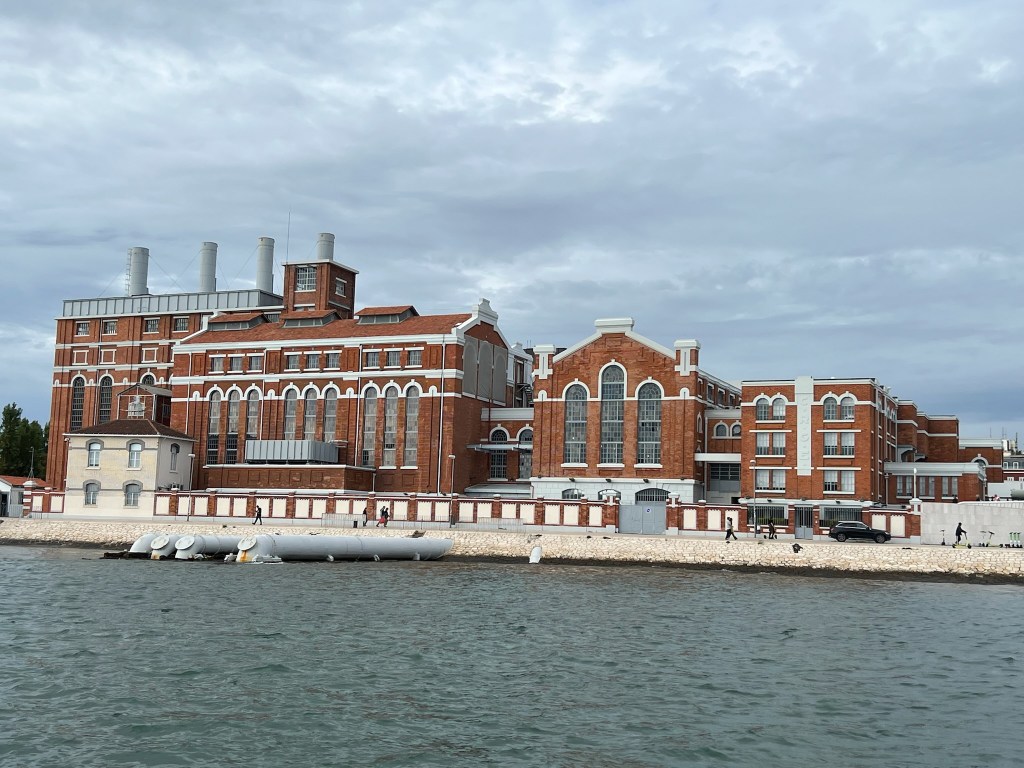
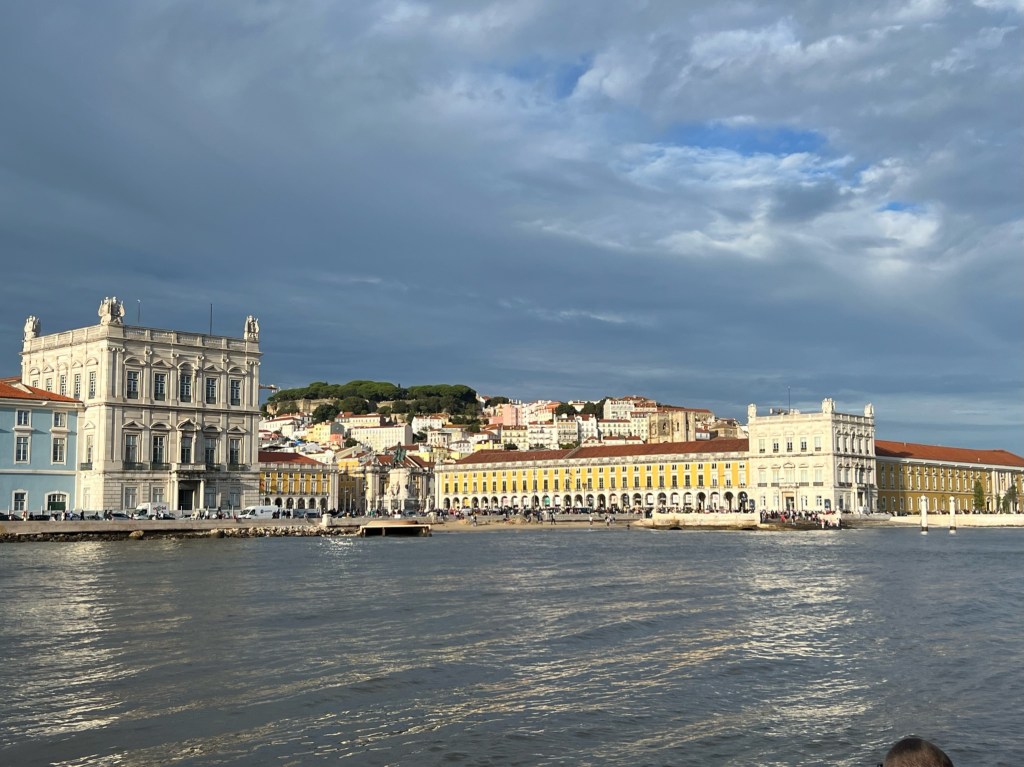
Our first views of the city…by boat!
To get our bearings, we hopped on to a Portuguese traditional boat for a tour of the river, and had a blast! It was a great way to see some of the landmarks that sit along the expansive riverside. And they did serve us a traditional Portuguese wine which didn’t hurt the experience either! We were lucky those rain clouds held and did not start to pour down on us.


We forgot to carry umbrellas as the sun was out when we set out.




Stonework and Tile, Oh My!
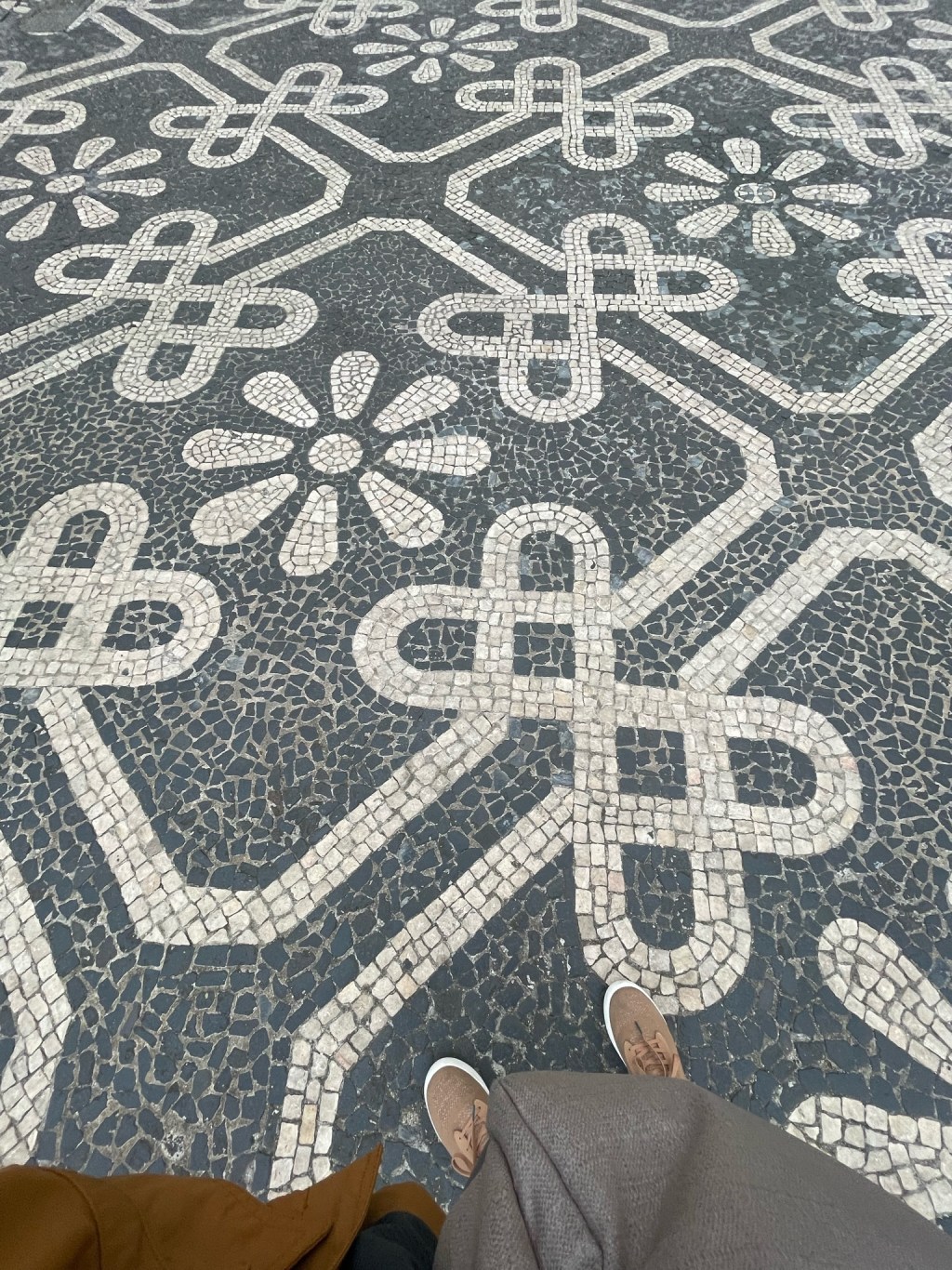
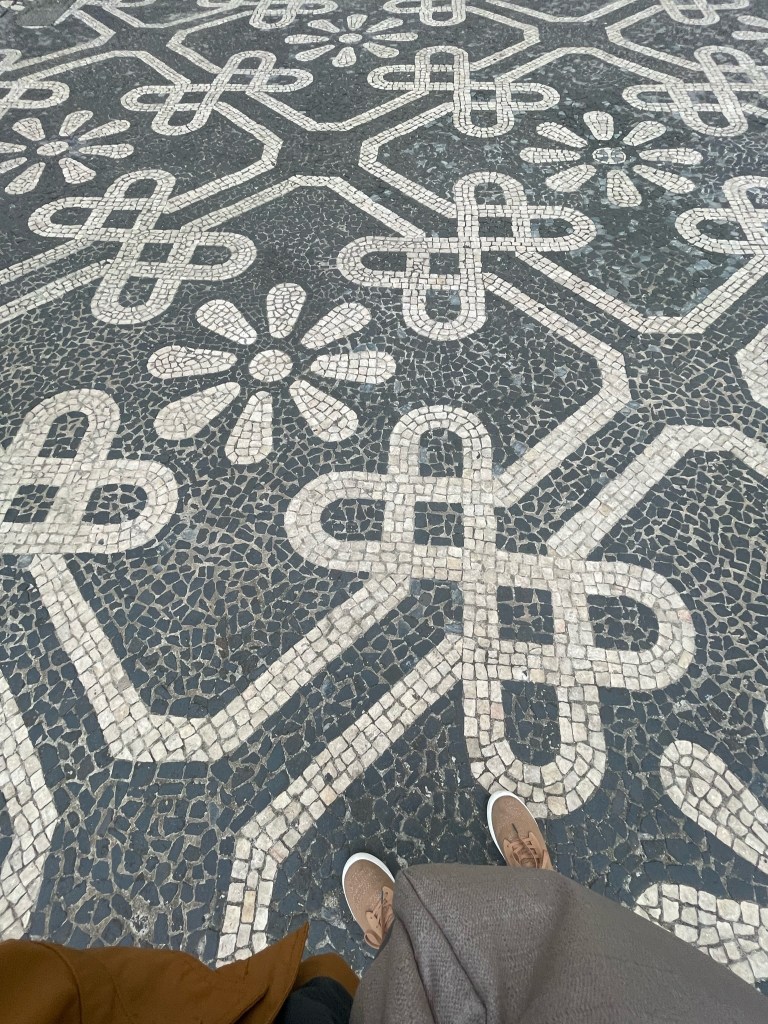
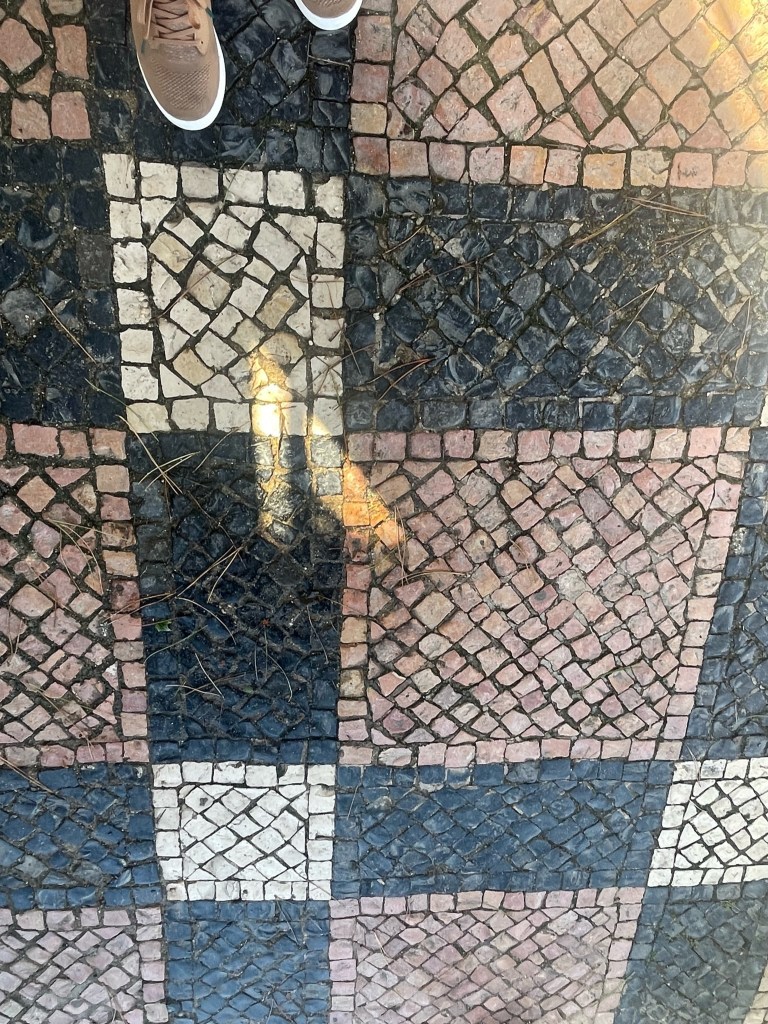
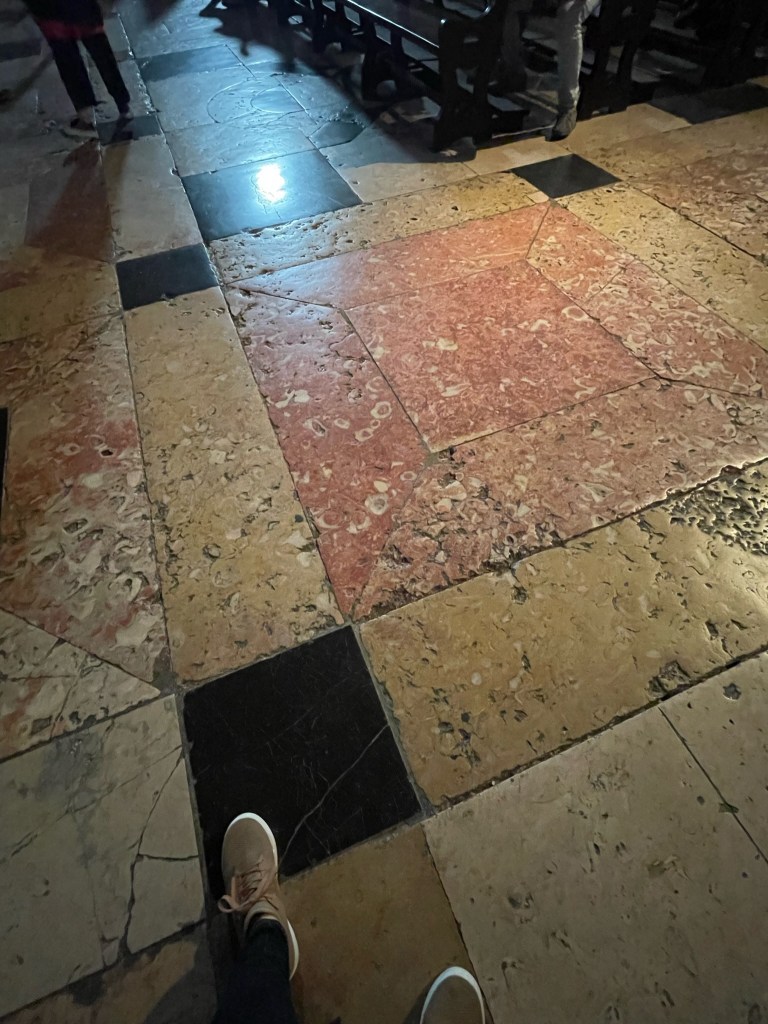
Before I get too far, let me talk about what what you see at your feet. Portuguese pavement is a wonder unto itself and really captures the spirit of this city. Basalt and limestone, cut into squares, are used to make mosaic patterns and are painstakingly laid by hand. They can actually be found across Portugal and even into some of the old colonies such as Rio de Janeiro and San Paulo, Brazil. They were a joy to explore. Here’s a sampling…



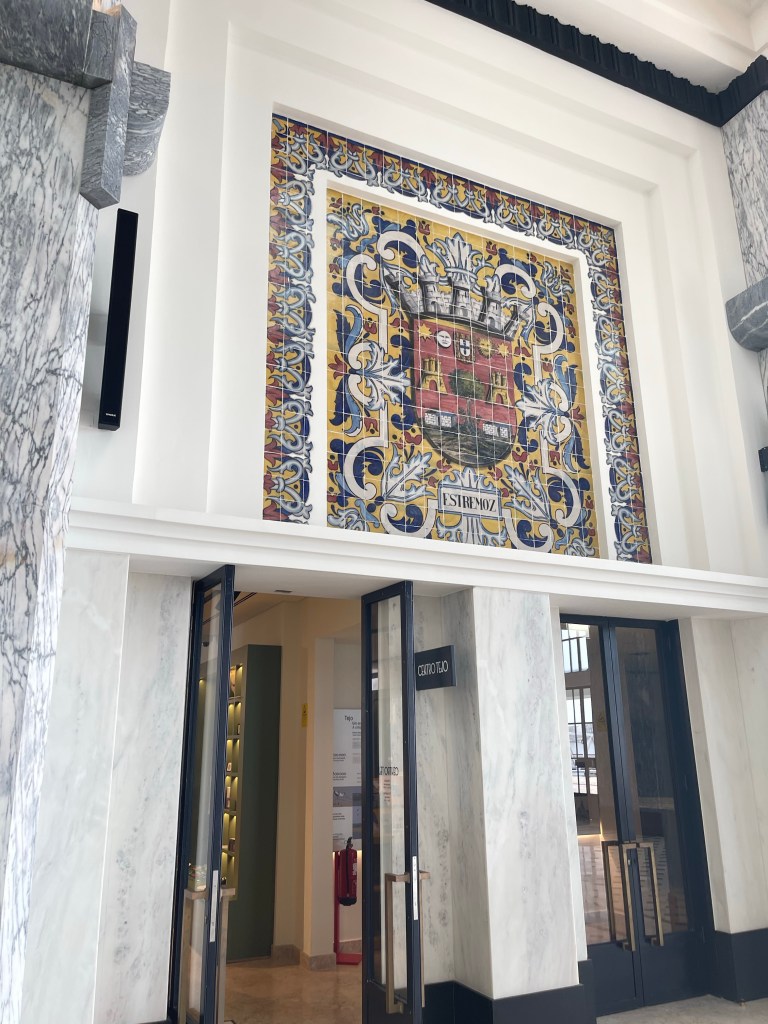
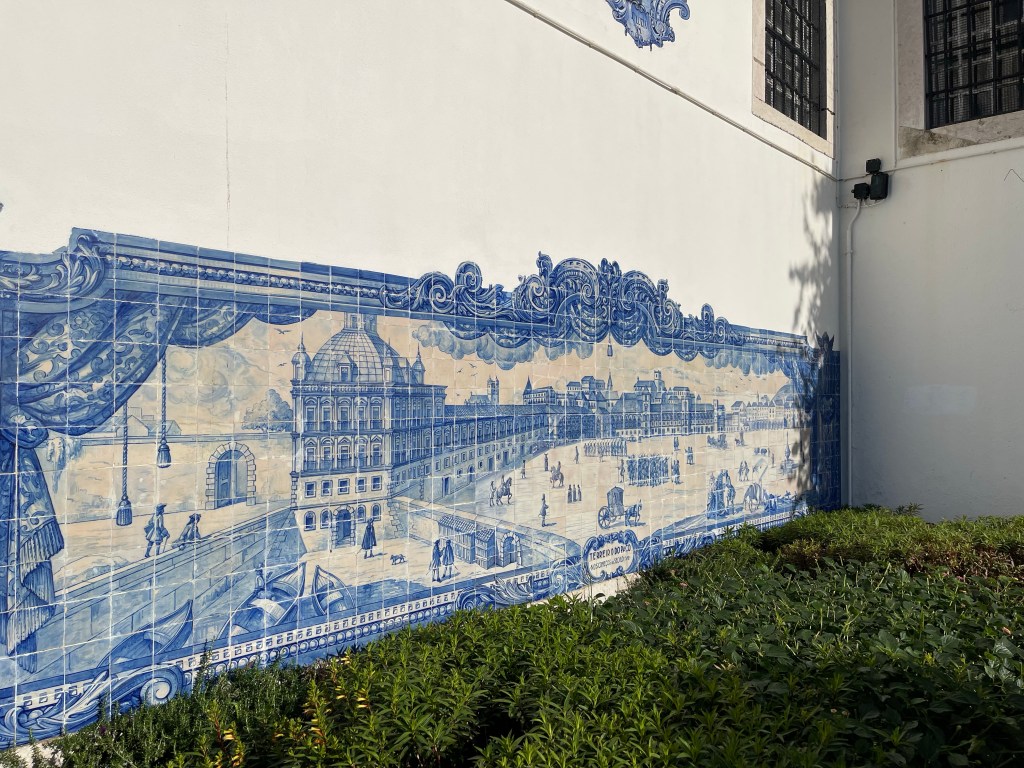
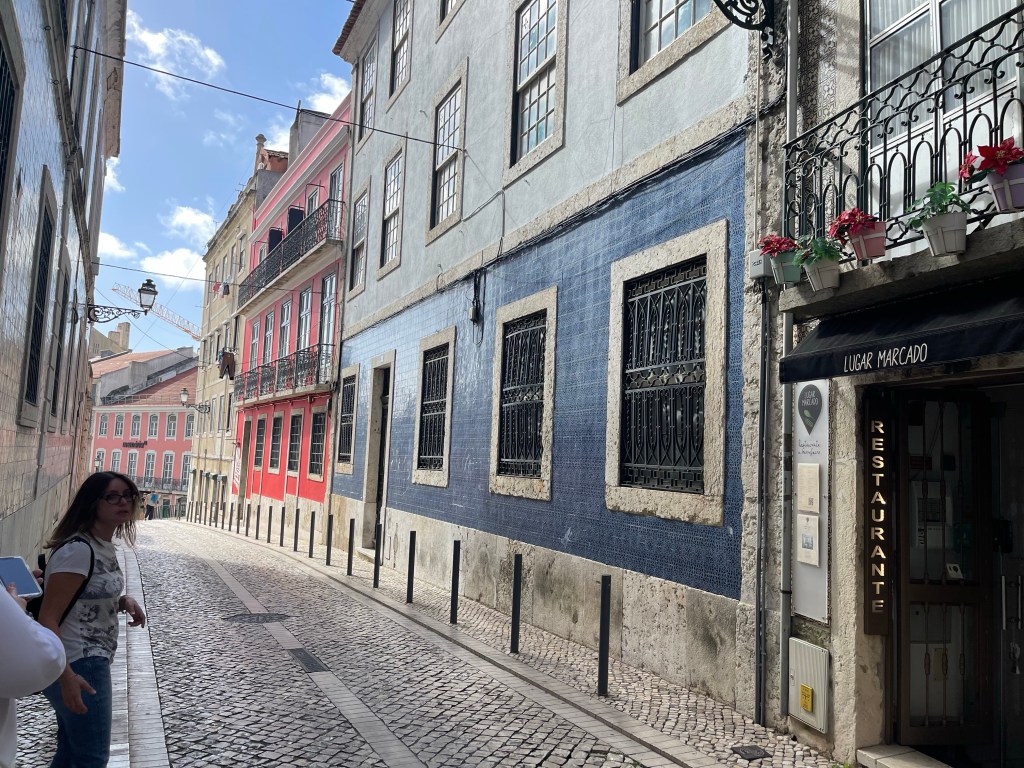
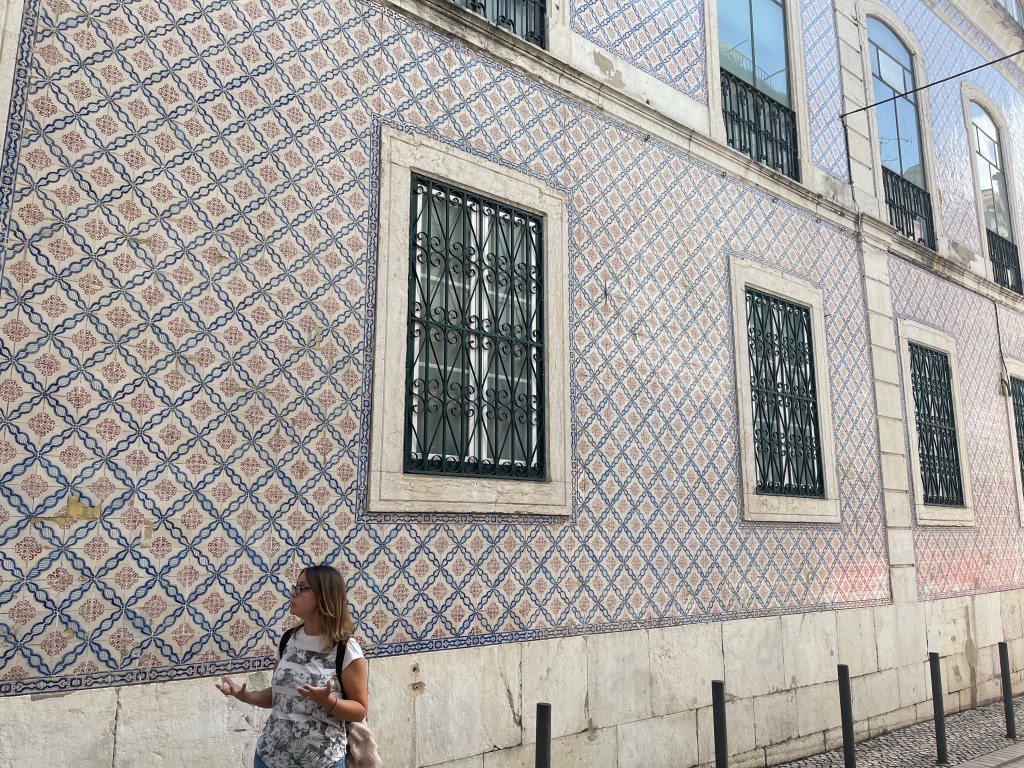
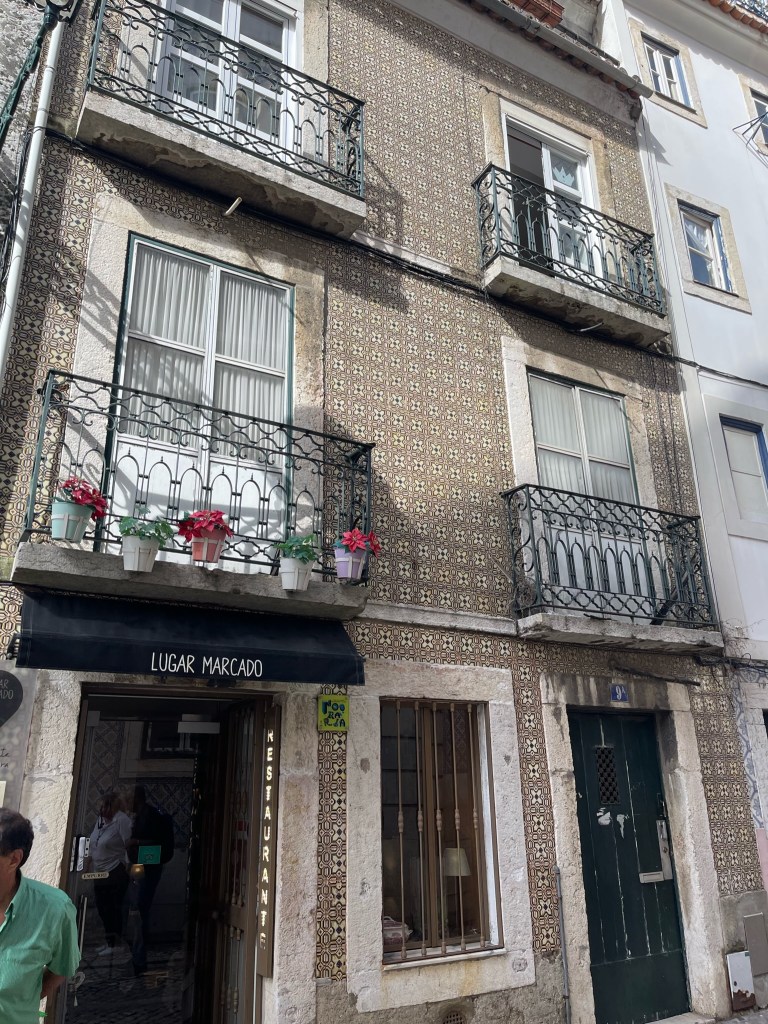
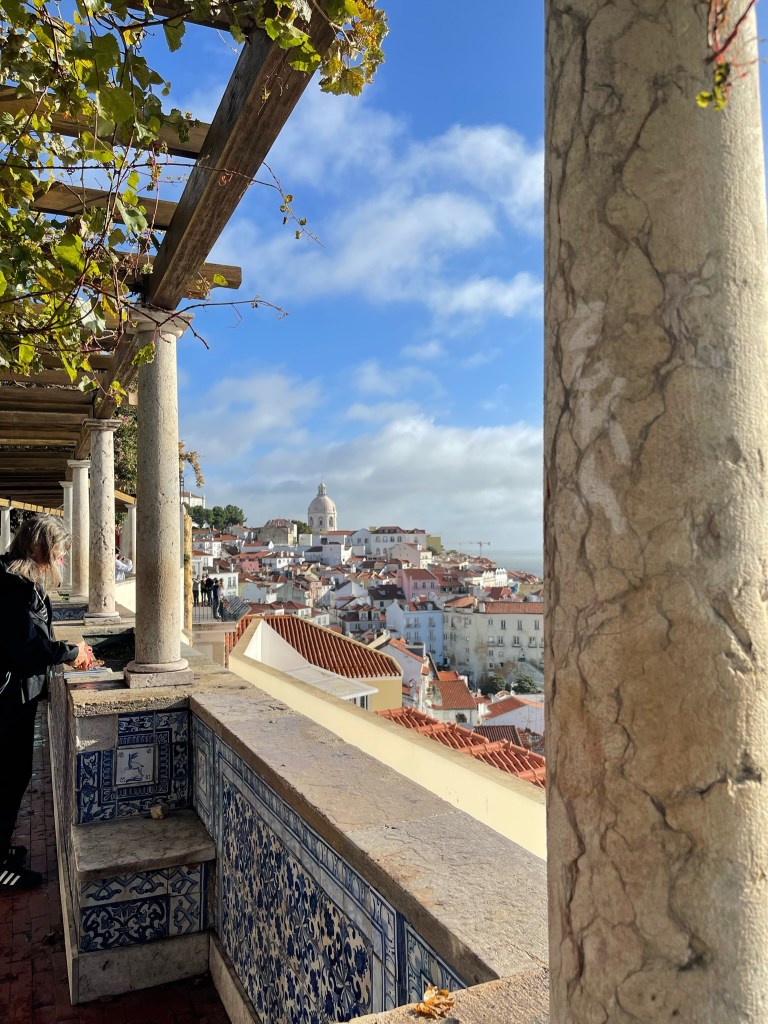
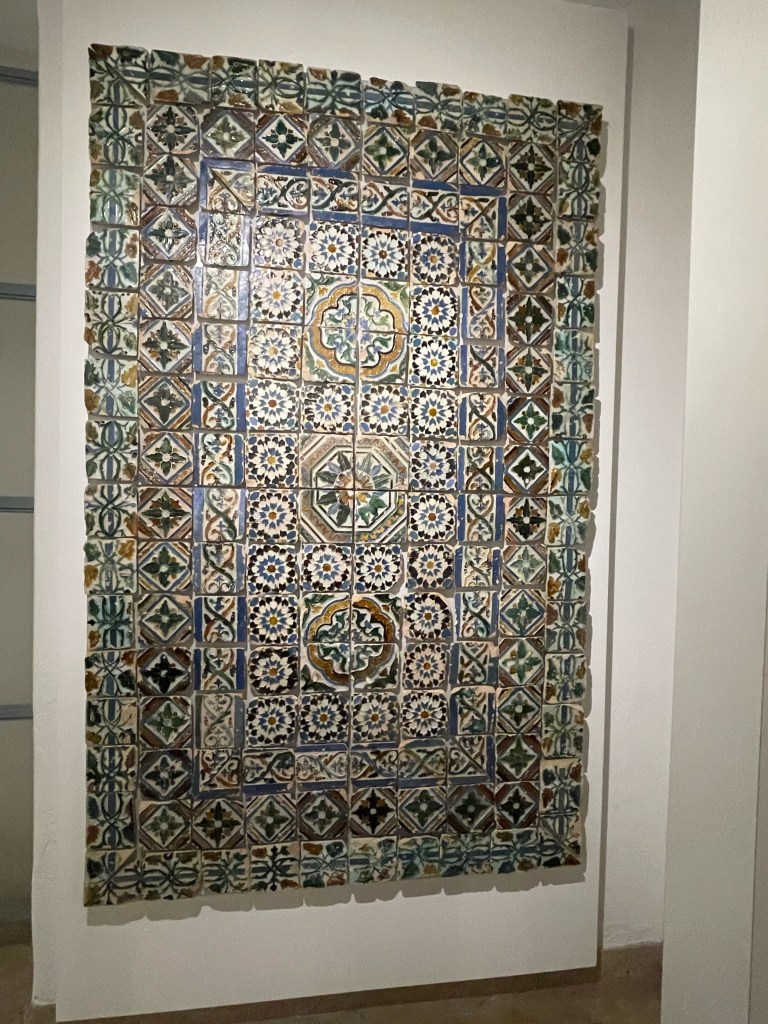
Another lovely aspect to the city is the decorative tile that is everywhere, including on buildings. I think Gary was a little worried I might decide to add tile to the exterior of the new house! Well…maybe? What do you think?


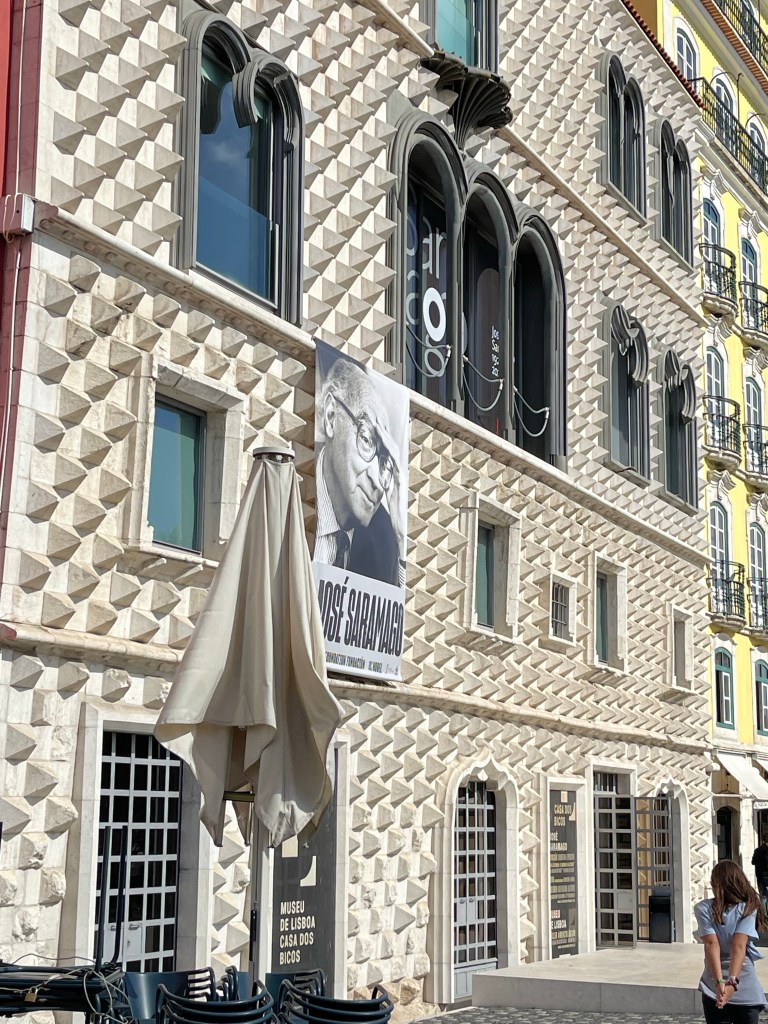
Lisbon Highlights
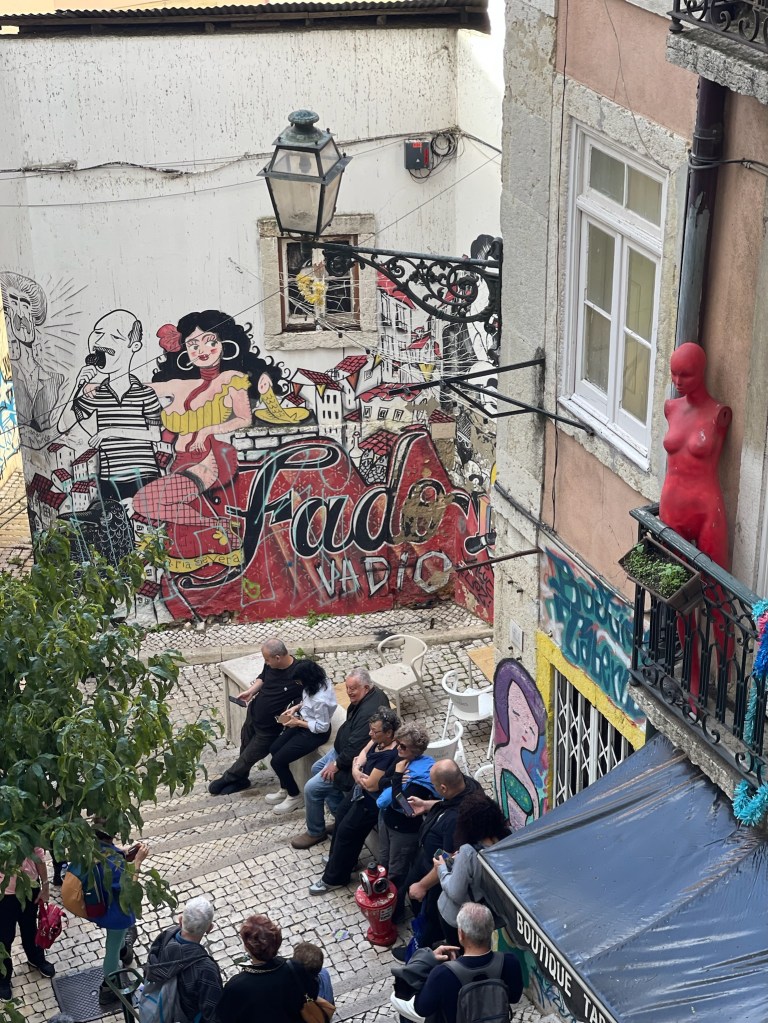
We found a lot more to explore on both our Tuk Tuk and walking food tours across the city as well as just our own meanderings. You may be asking “what is a Tuk Tuk?”. Sort of like a golf cart, these are popular for taking tourists around cities where it may be difficult navigating around the streets (think Florence, Lisbon and Porto where we tried this experience!).

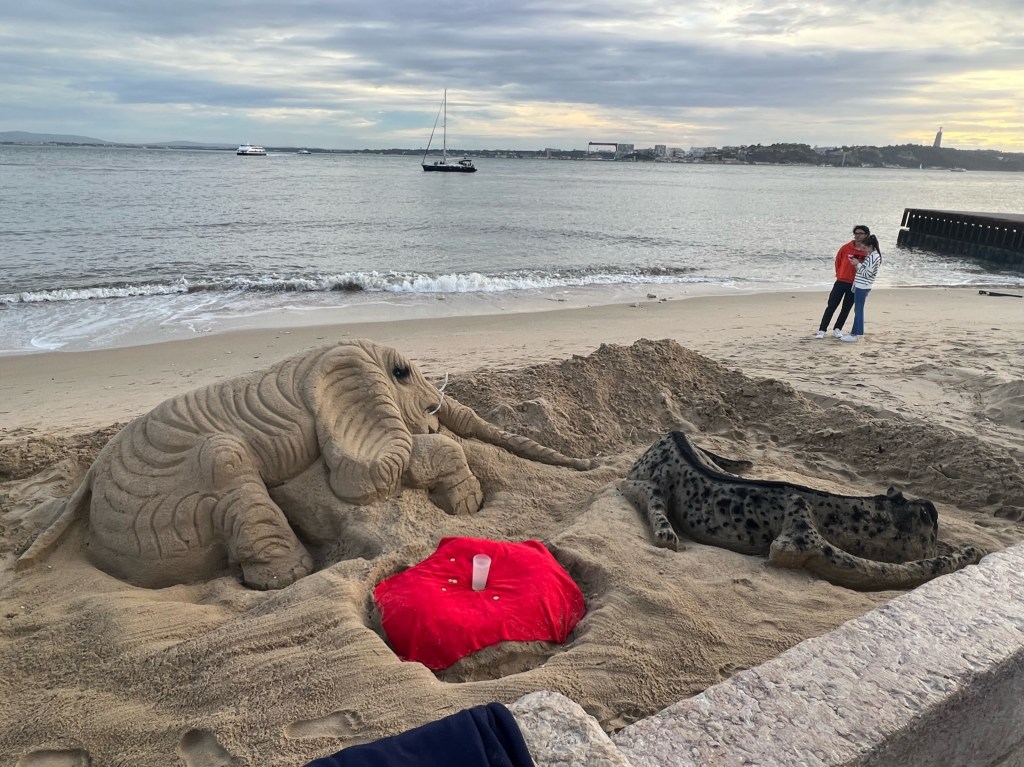
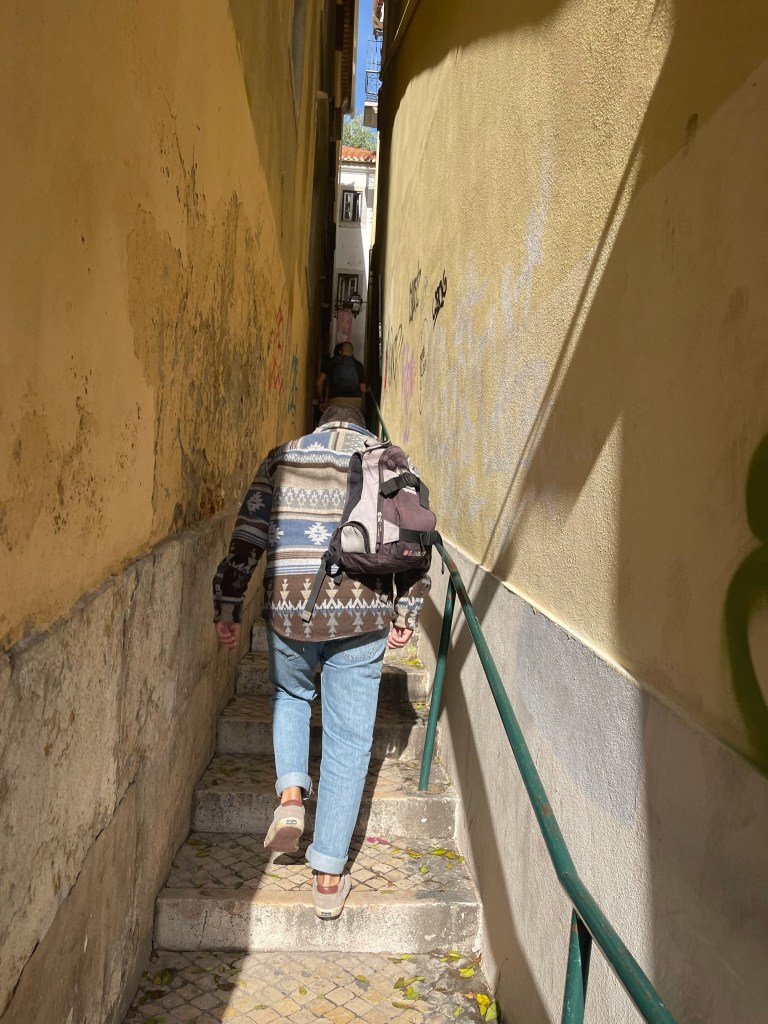
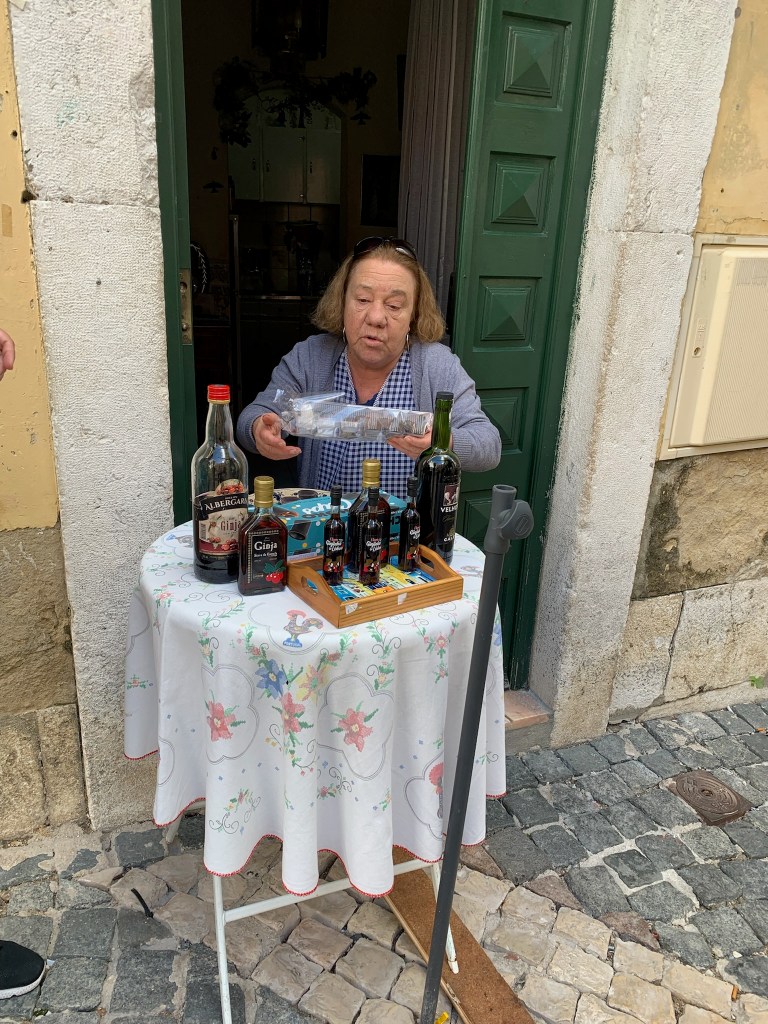
Here’s a few highlights from our explorations:

“Somebody Feed Phil”. Time Out Market brings vendors from some of the best restaurants and bars around Lisbon into one market space. Had some good food and drink here!



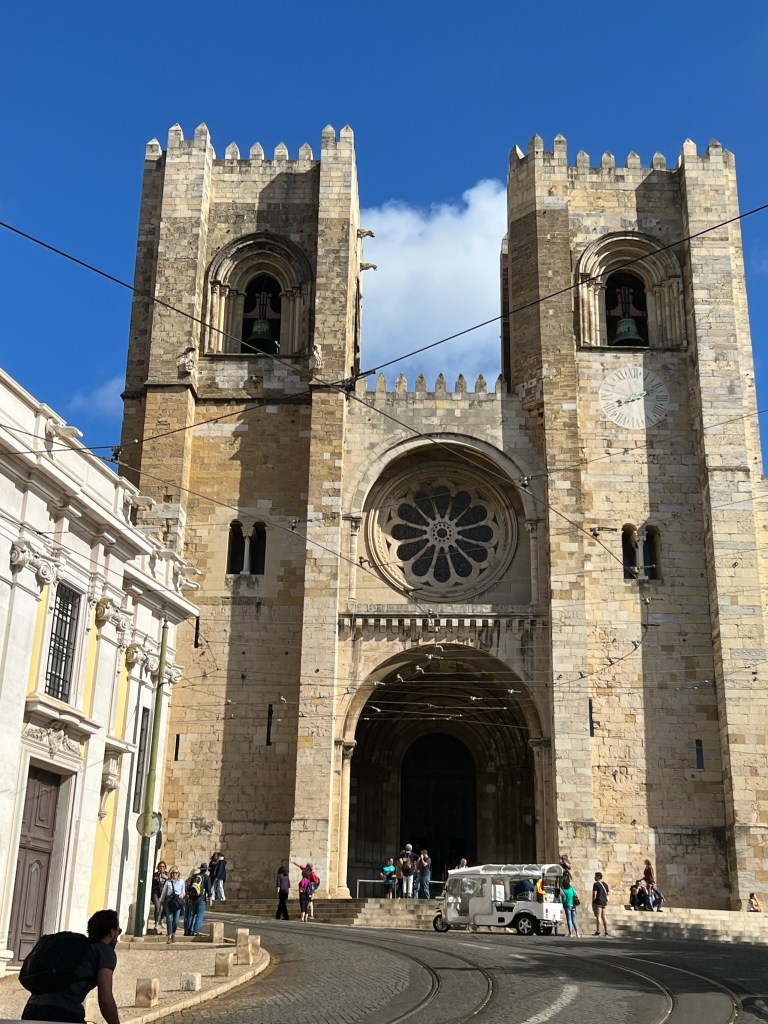
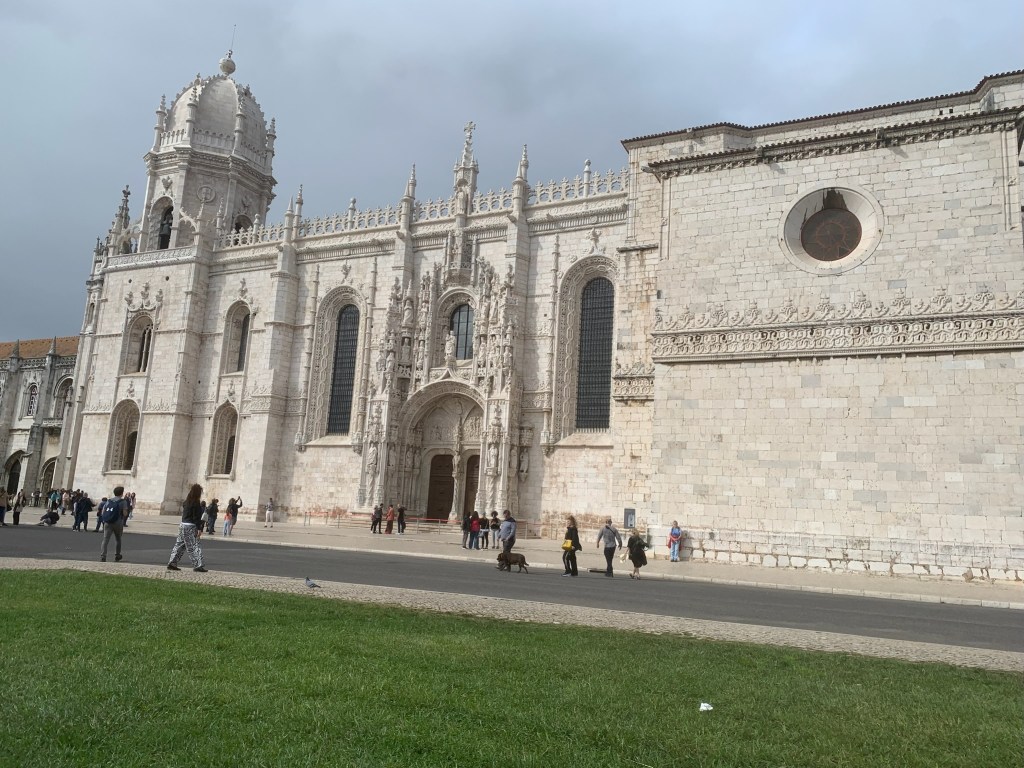
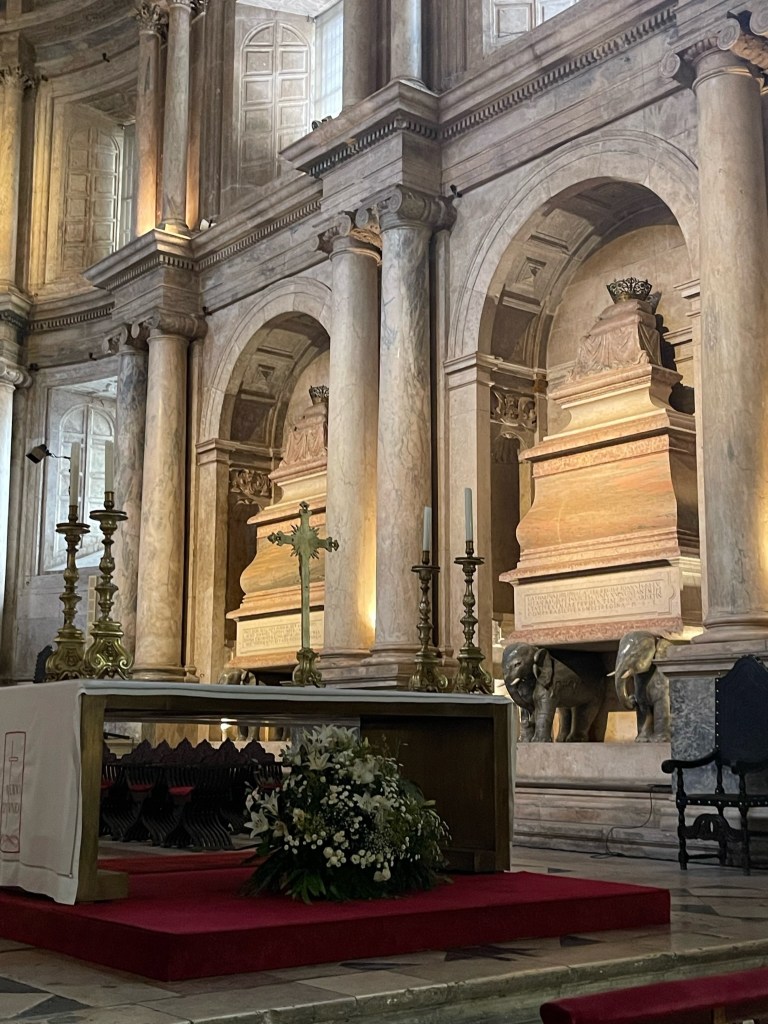
In addition to the beautiful Lisbon Cathedral in the Alfama district, we also also visited the stunning Santa Maria de Belem Church.


A Day Trip to Cascais and Sintra
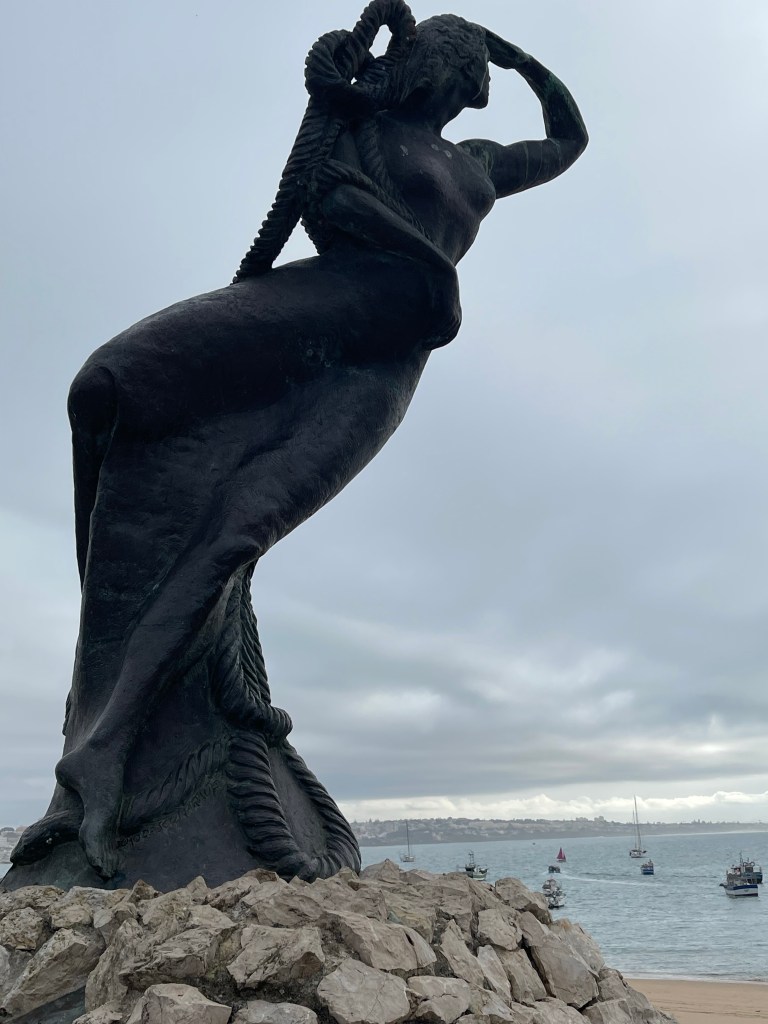
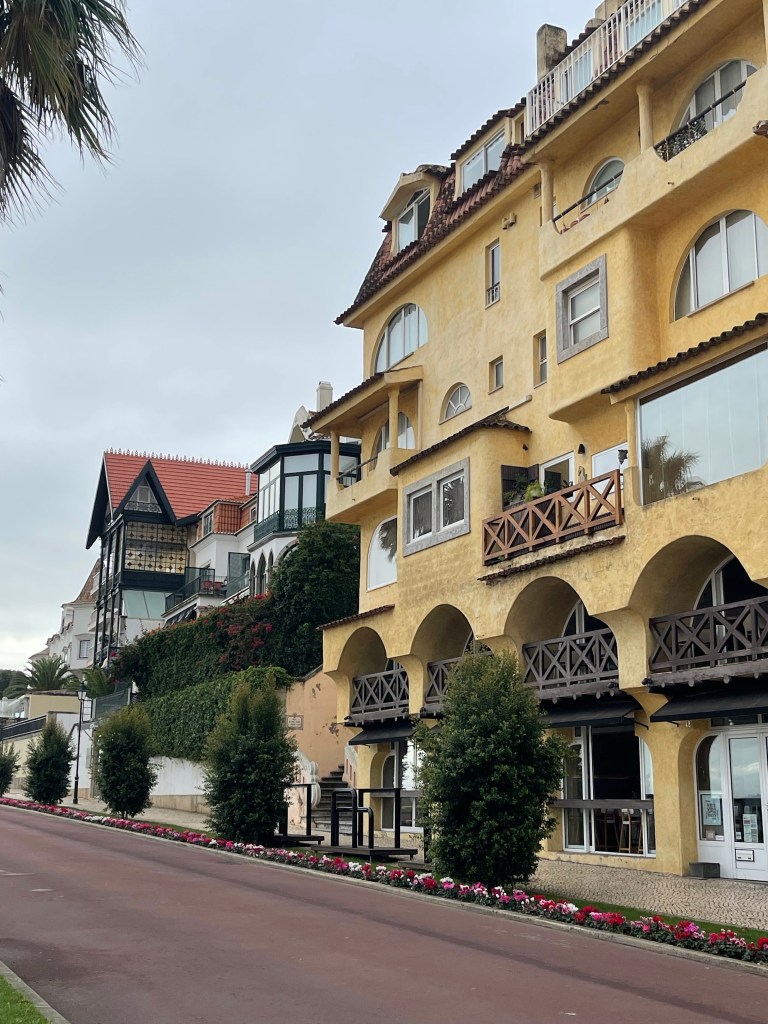
On our day trip out of the city center of Lisbon, we made a quick stop in Cascais, a beautiful seaside holiday town. Cascais is a traditional Portuguese fishing town that has developed into a popular resort destination with villas overlooking the coast. It is also the spot where Cristiano Ronaldo is building his new villa and we were lucky enough to be with a private driver who could get us into the gated community to take a peek!


On our way to Sintra, we took some time to explore the Quinta (estate) da Regaleira and Gardens, classified as a World Heritage Site along with neighboring Sintra (more about that in a moment!). In addition to the Romantic style palace, the estate includes a luxurious park that features lakes, grottoes, wells, benches, fountains and a vast array of interesting features that relate to the interests of the original owner (alchemy, Masonry, the Knights Templar, and the Rosicrucians). A lot of cult-ish stuff going on which totally fascinates me!

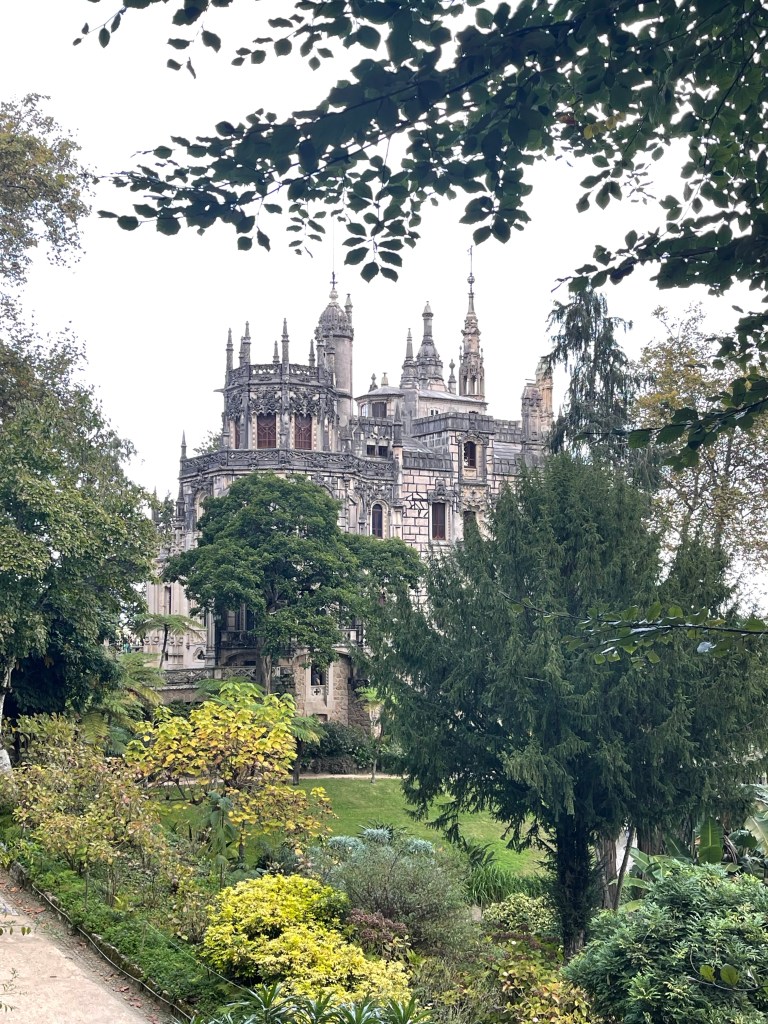

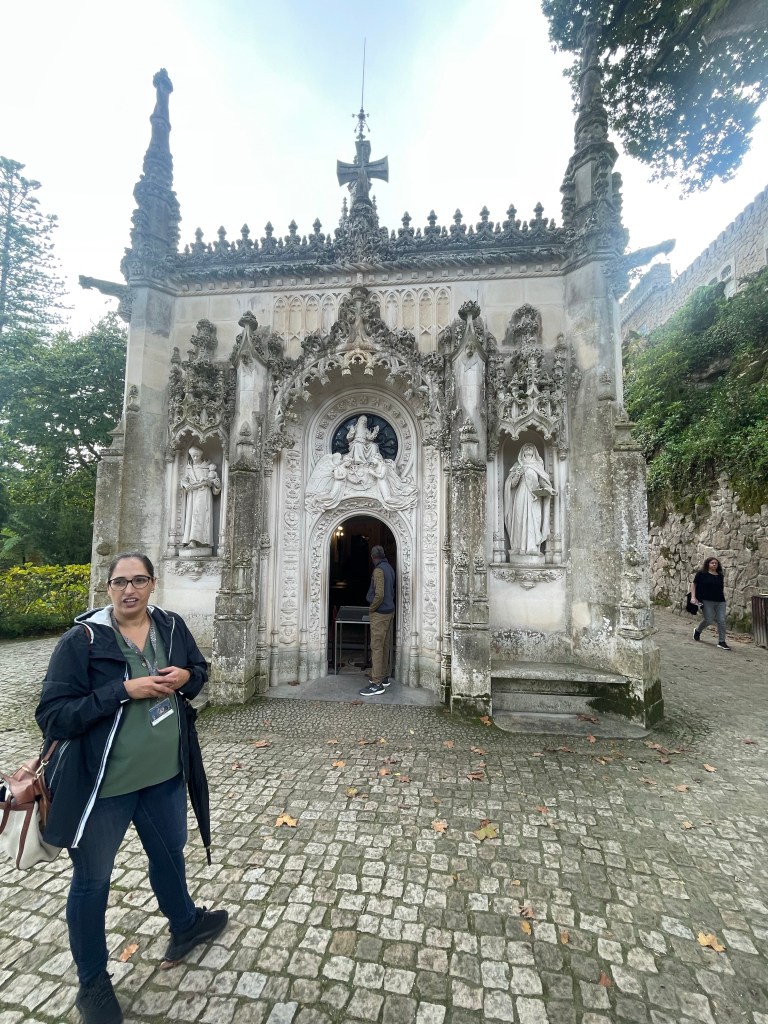


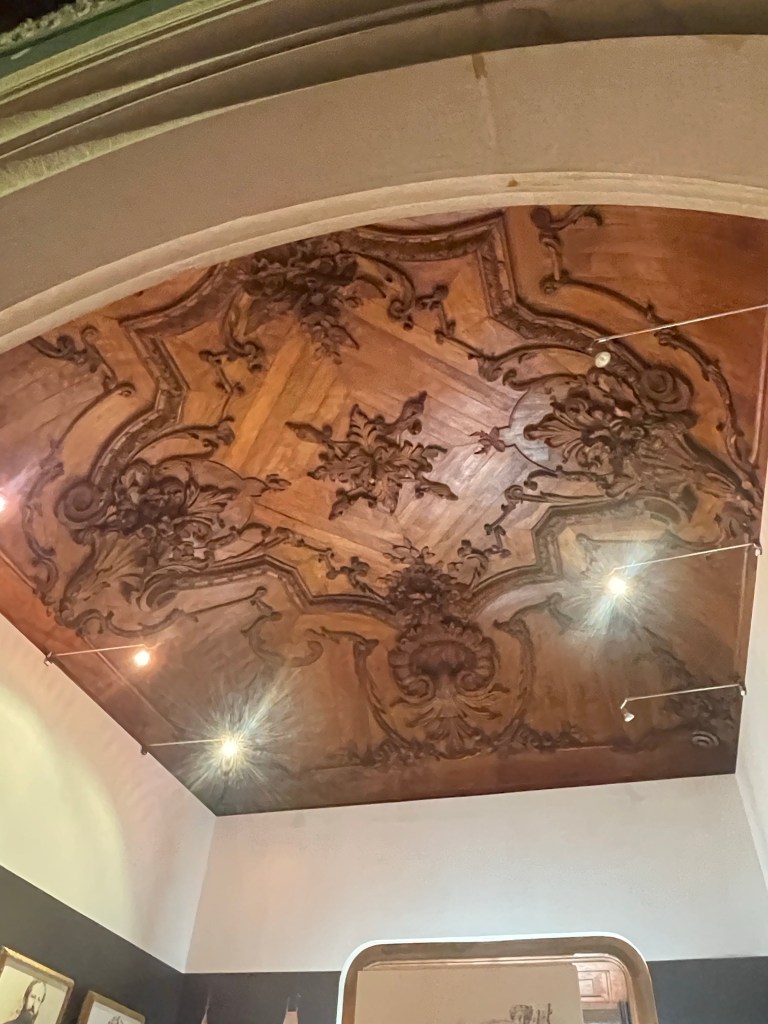


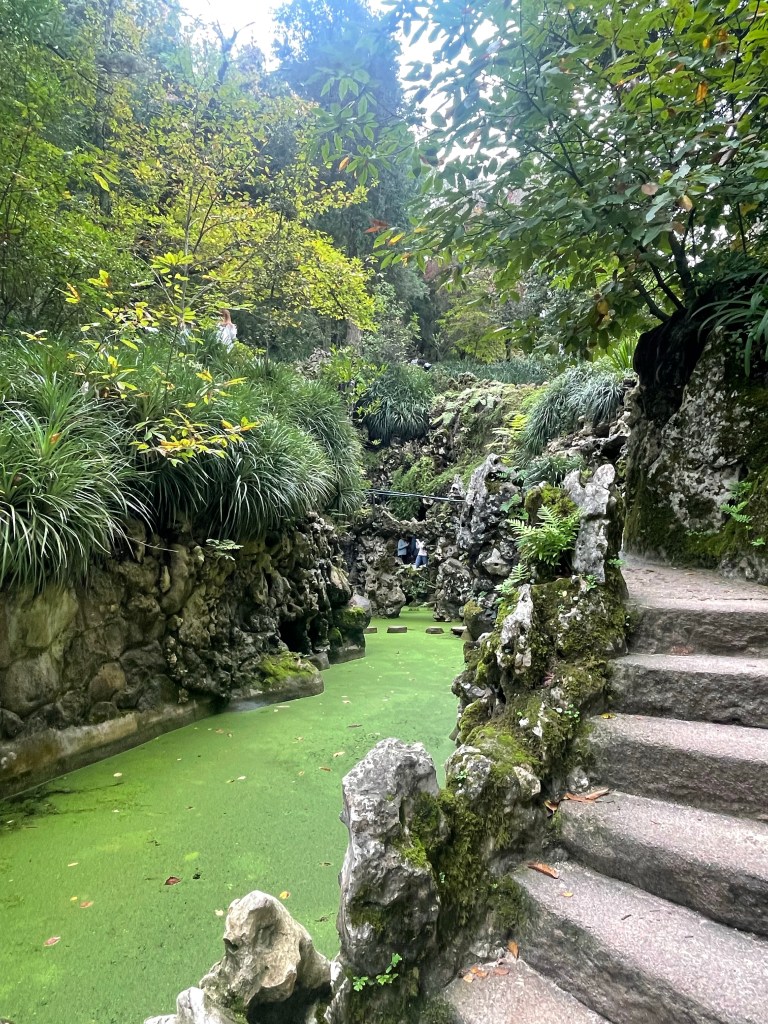


The park contains an extensive system of tunnels with multiple entry points, thought to be originally used in initiation ceremonies (creepy!). The most famous feature is the “Initiation Well” that resembles an inverted or underground tower lined with stairs. The spacing of the landings combined with the number of steps are linked to Tarot mysticism. Here’s a few snaps from our journey from the top to the bottom. At the bottom you exit through tunnels to one of the grottos on the estate. Magical!


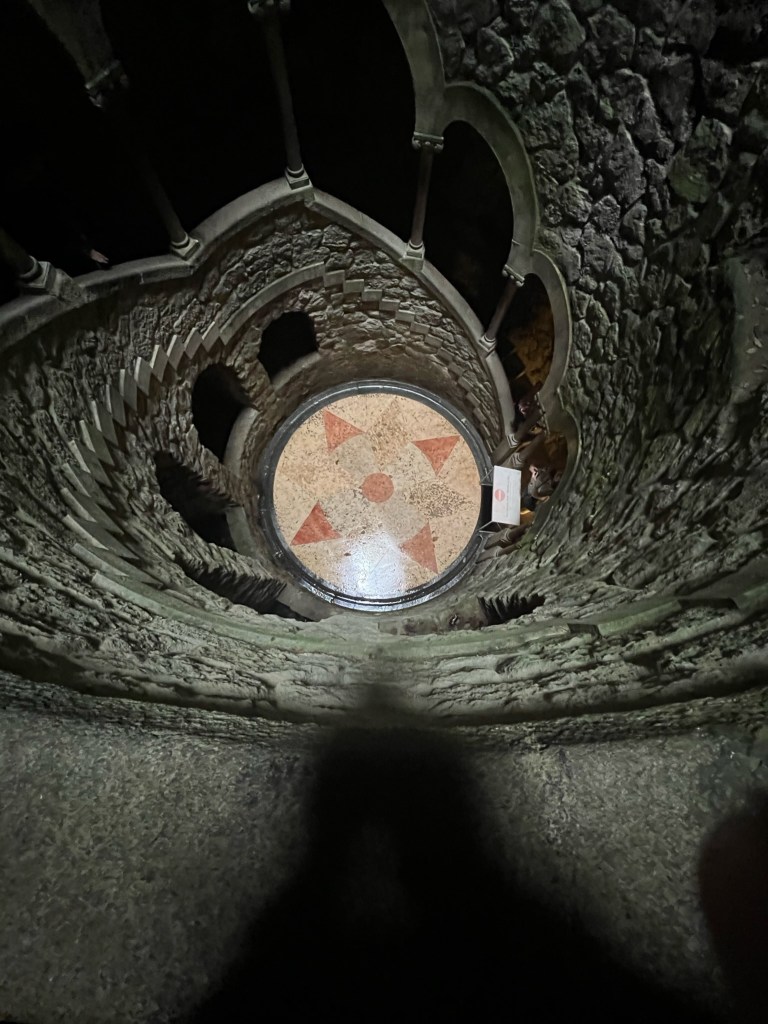
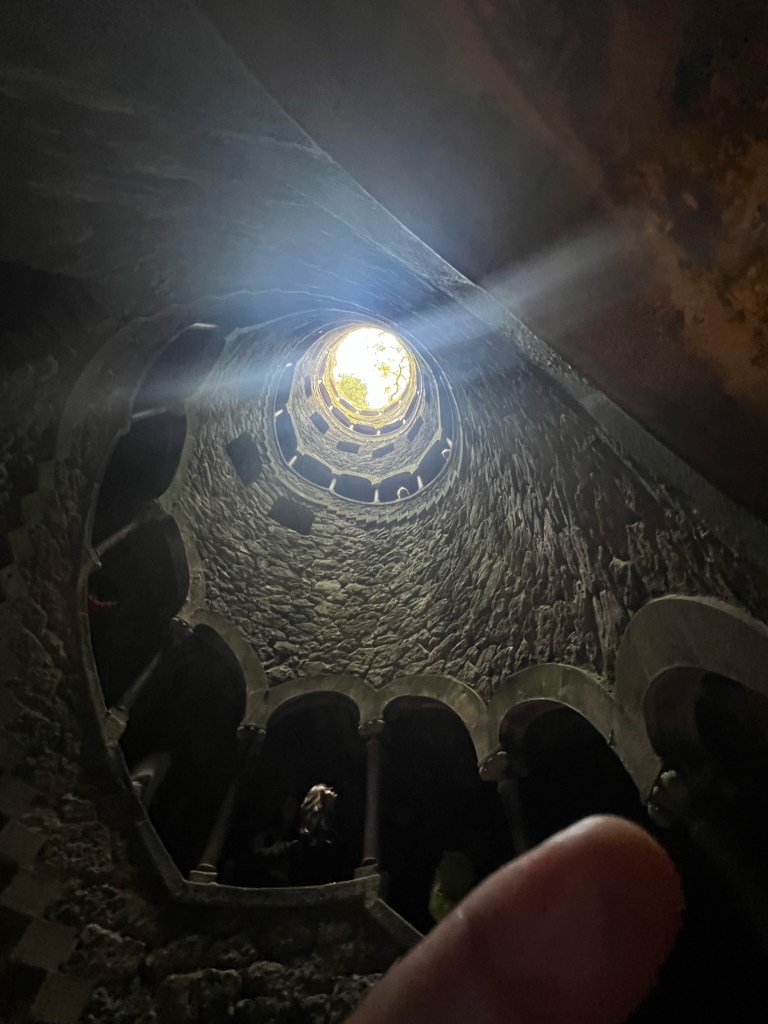
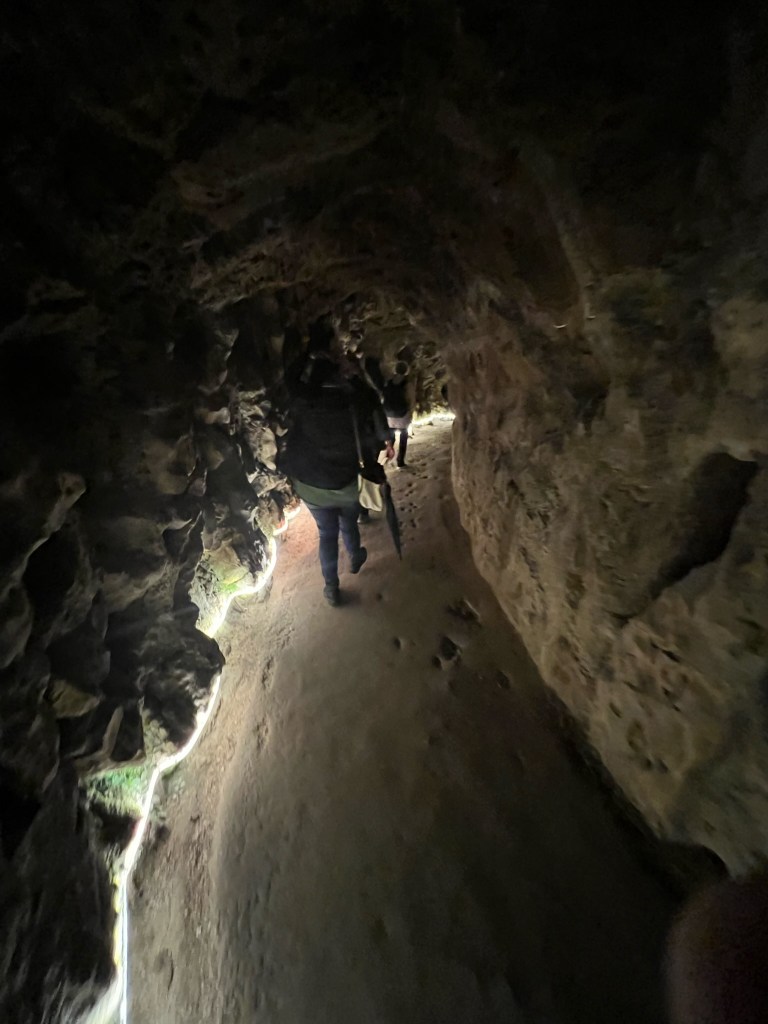


Here’s a few snaps of the beautiful town of Sintra.


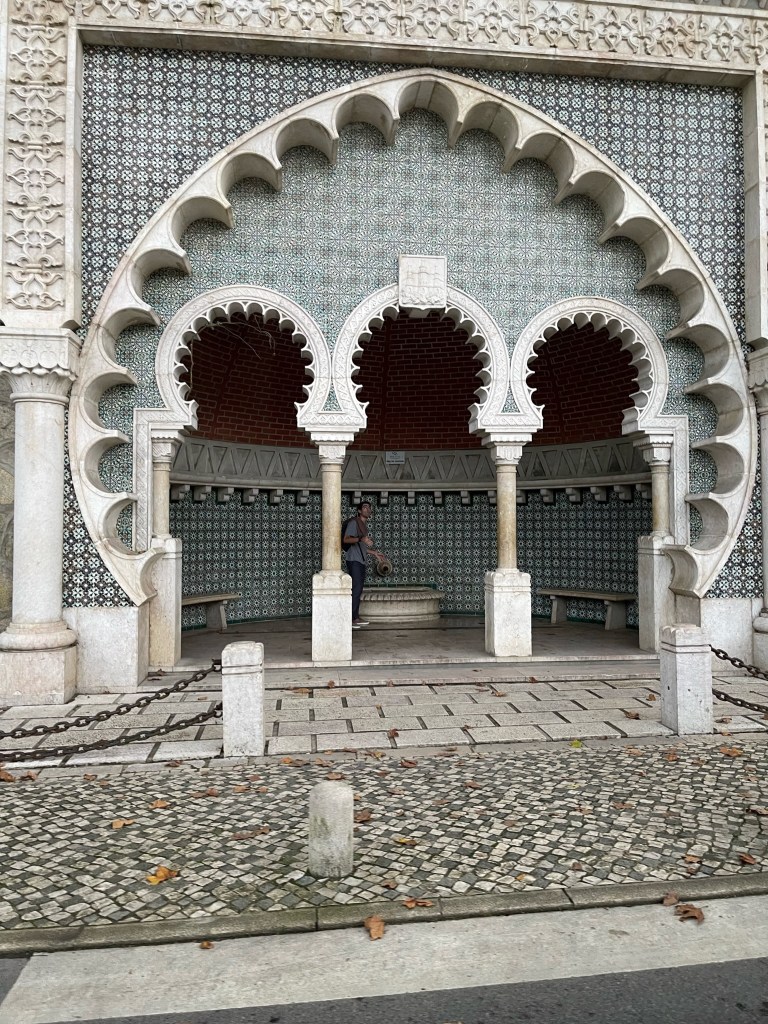
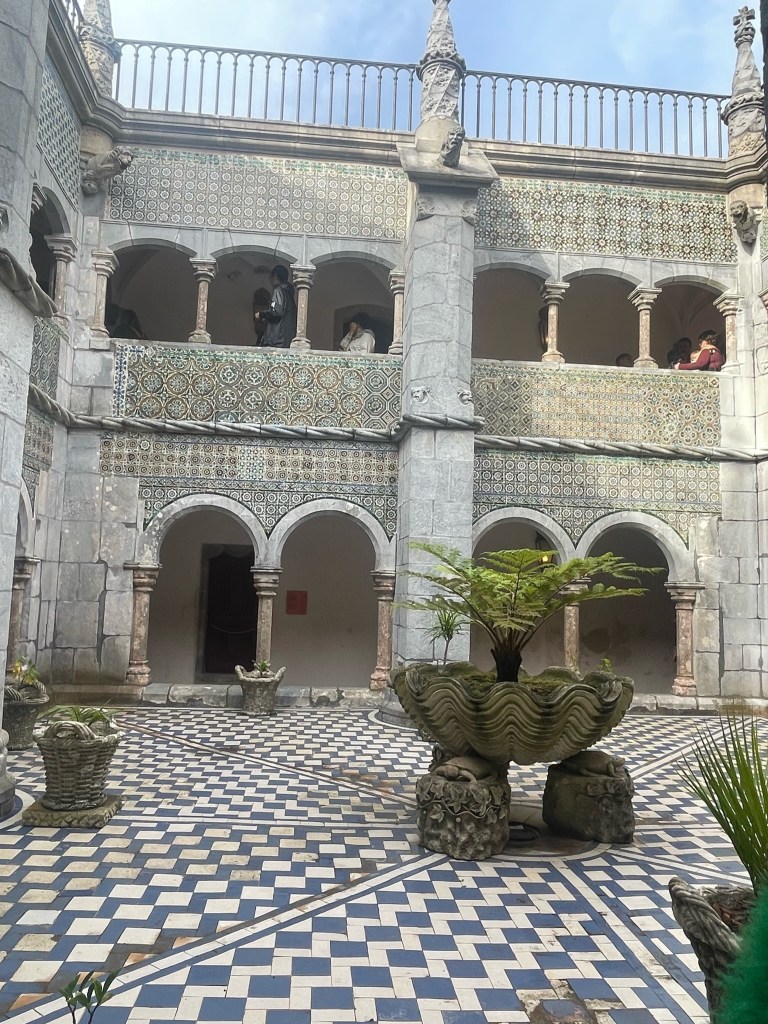
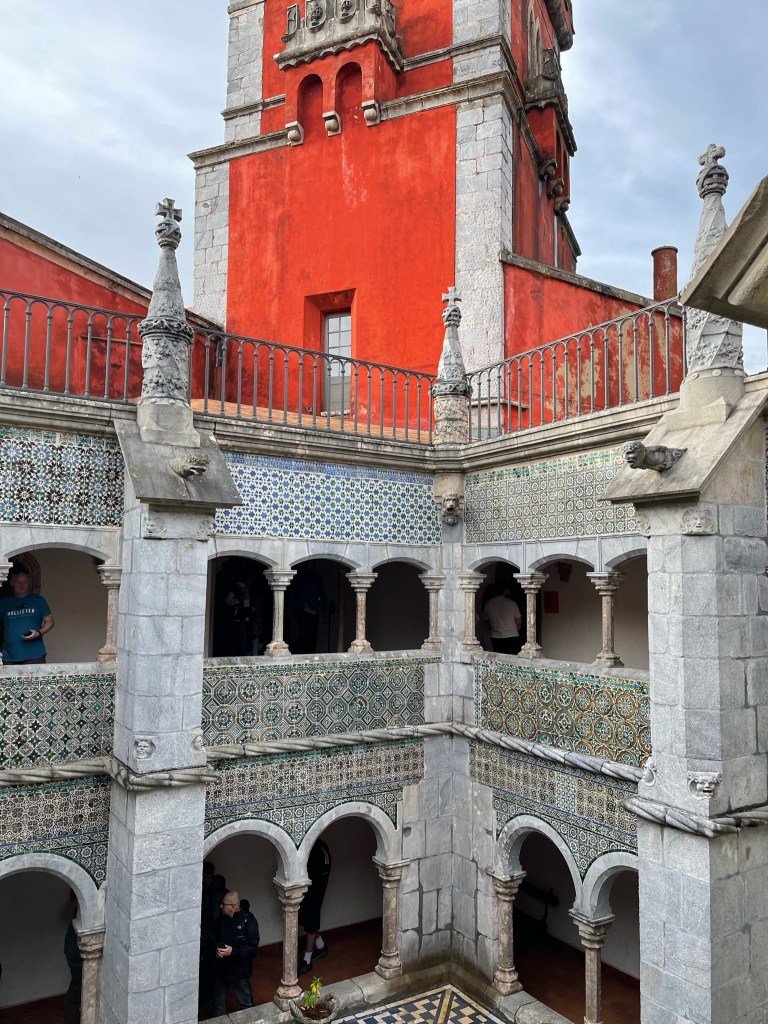
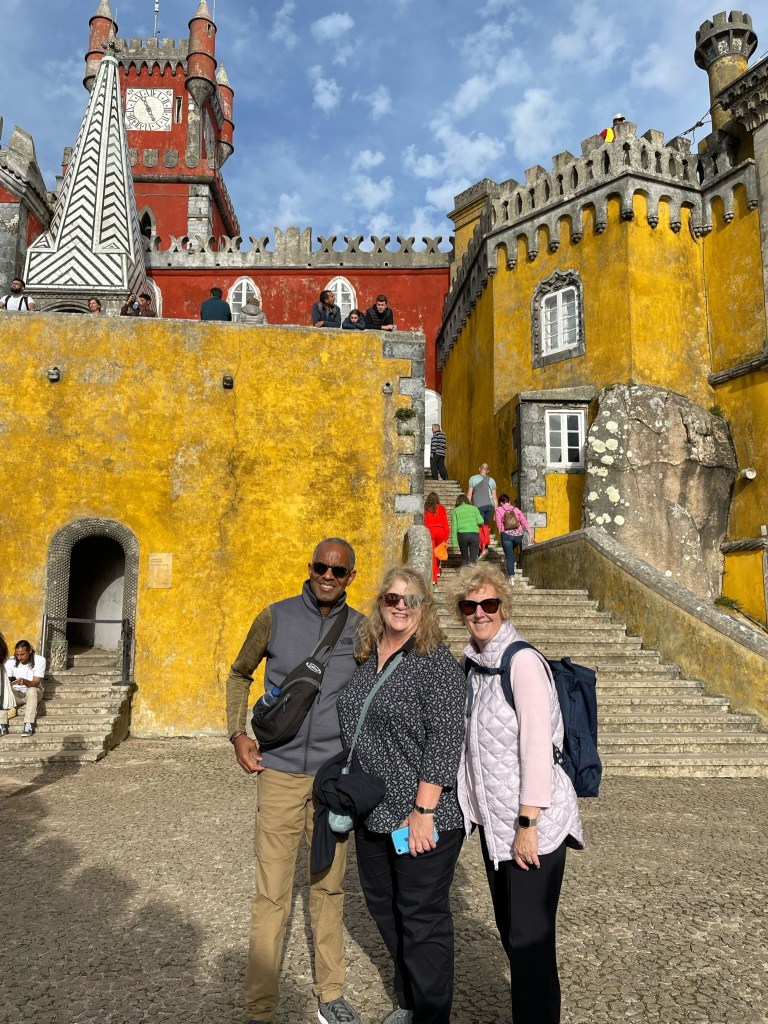
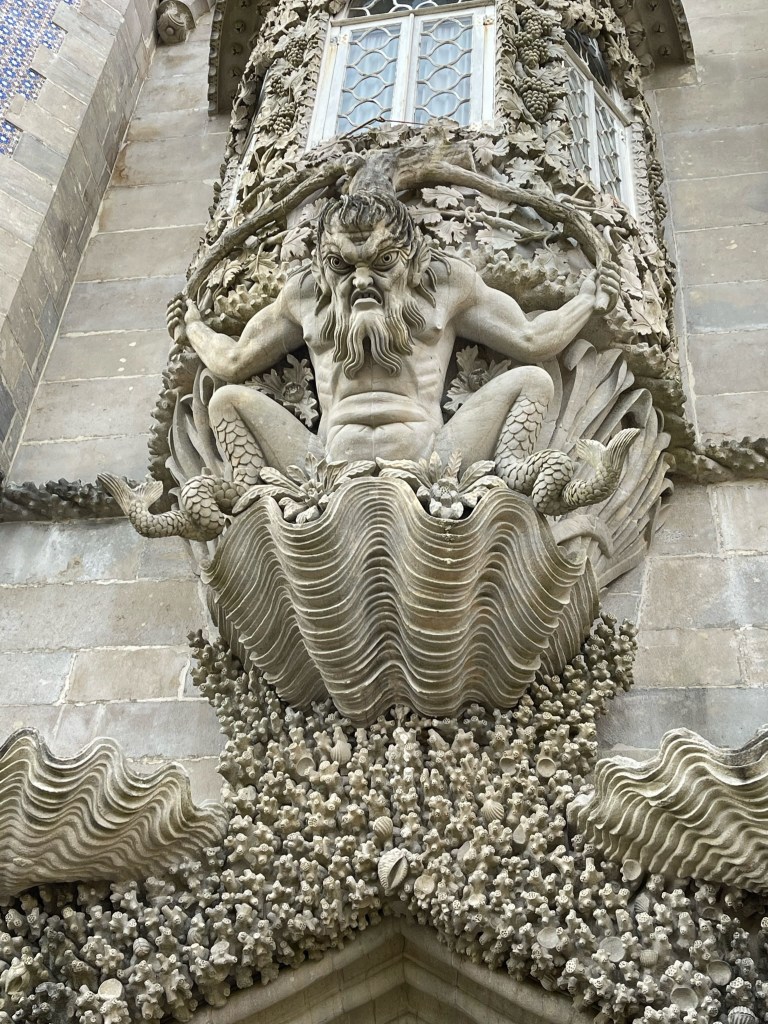
Sintra was definitely a bucket list item and did not disappoint. Above this beautiful town, high on the hilltops, resides Peña National Palace, one of the most beautiful structures in Portugal. Vividly painted terraces, decorative battlements, and mythological statues stand in stark contrast to the beautiful lush green surroundings of the Parque de Peña forest. Just spectacular. Here’s a few snaps approaching the Palace.

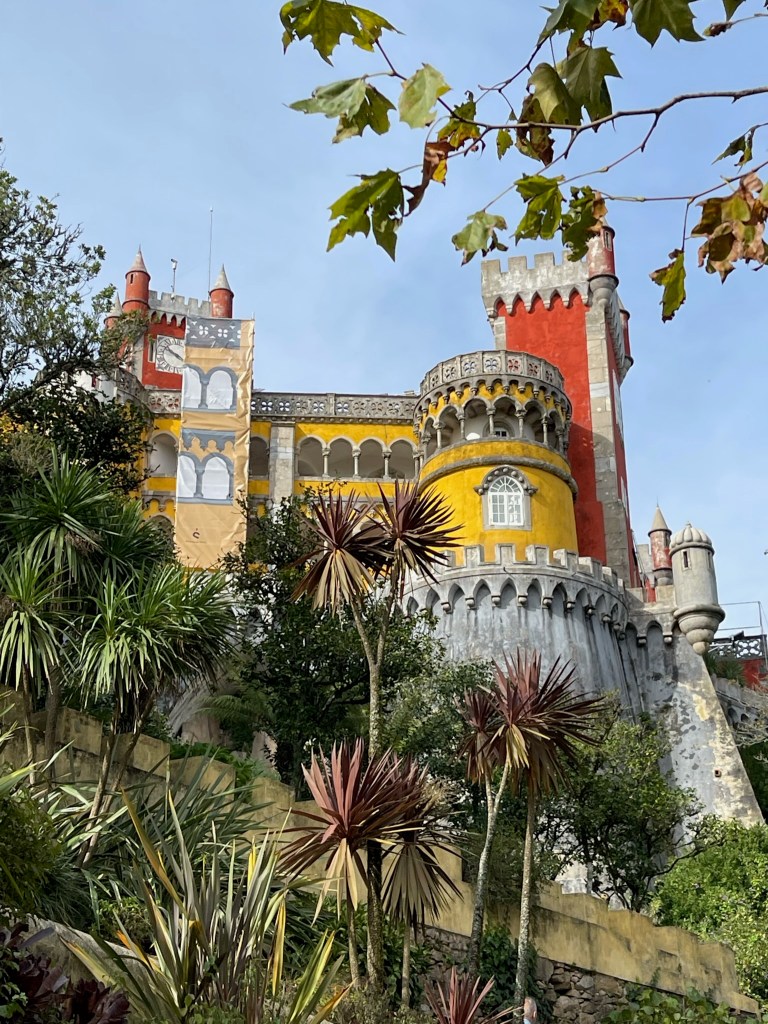
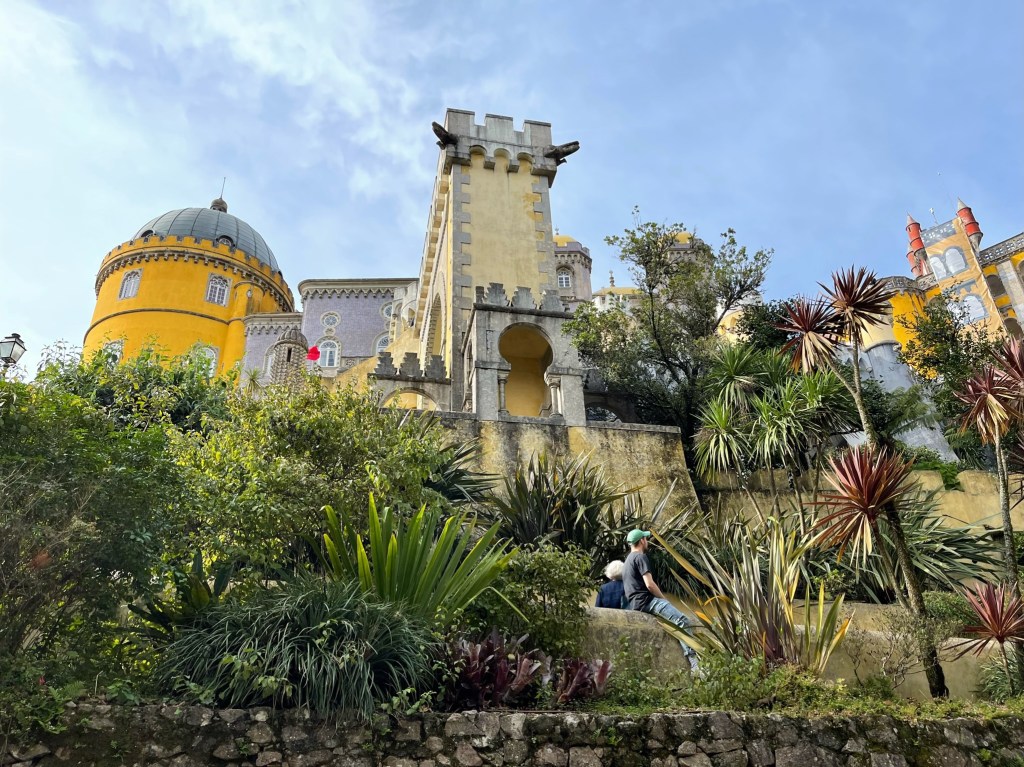

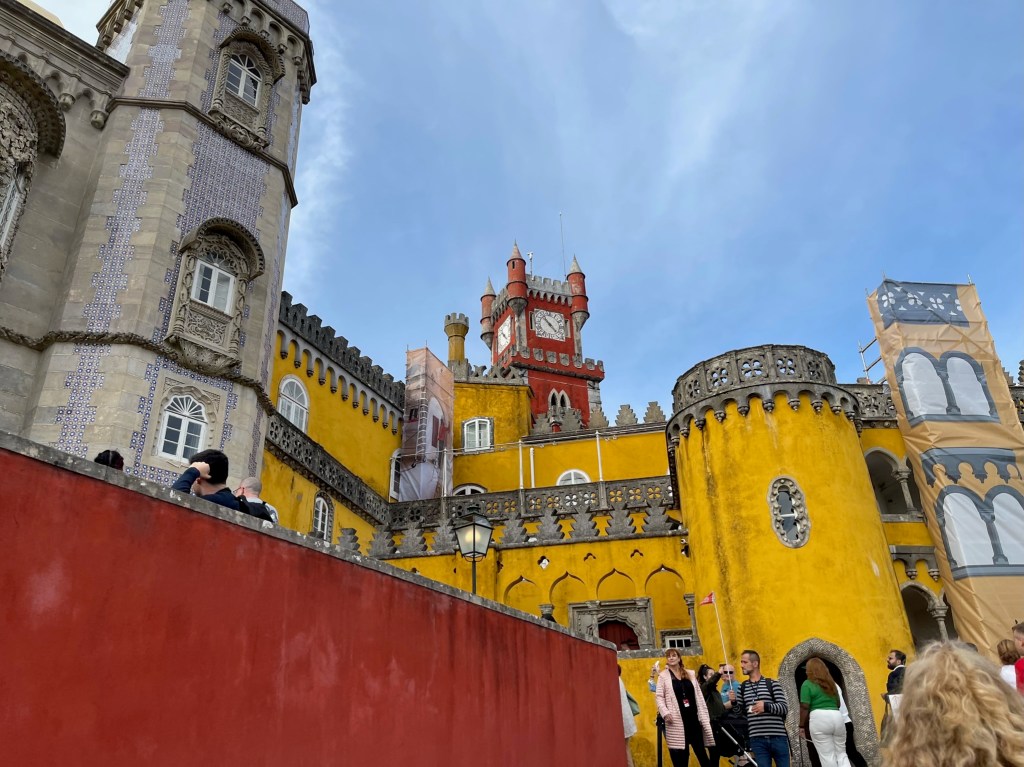

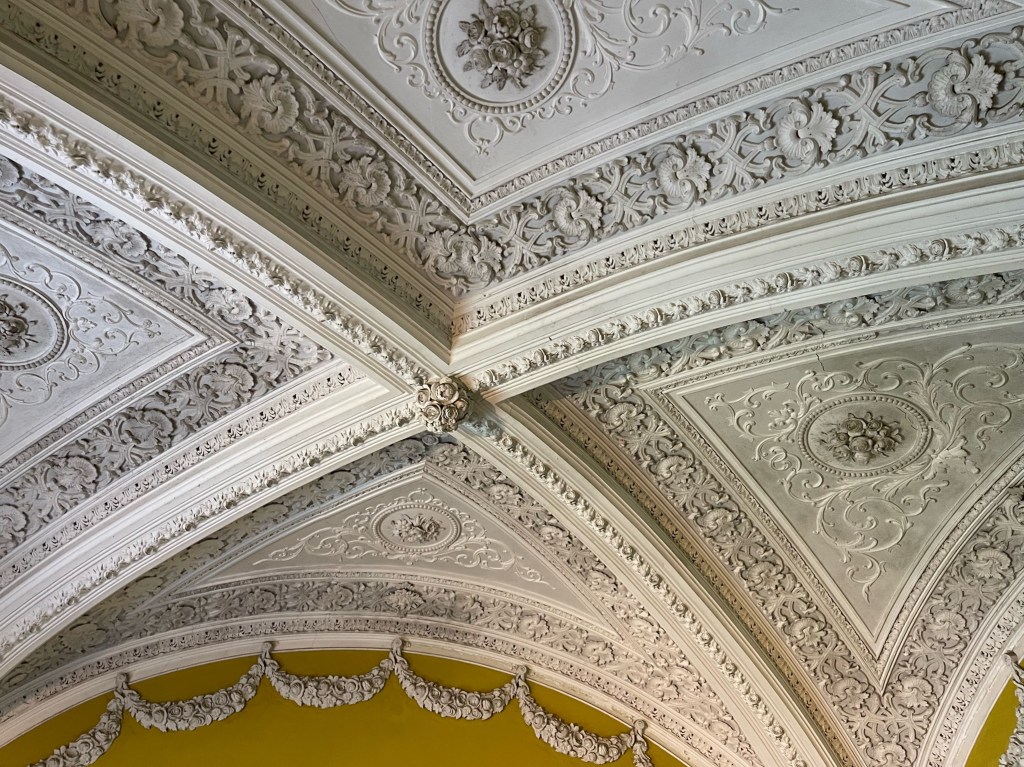
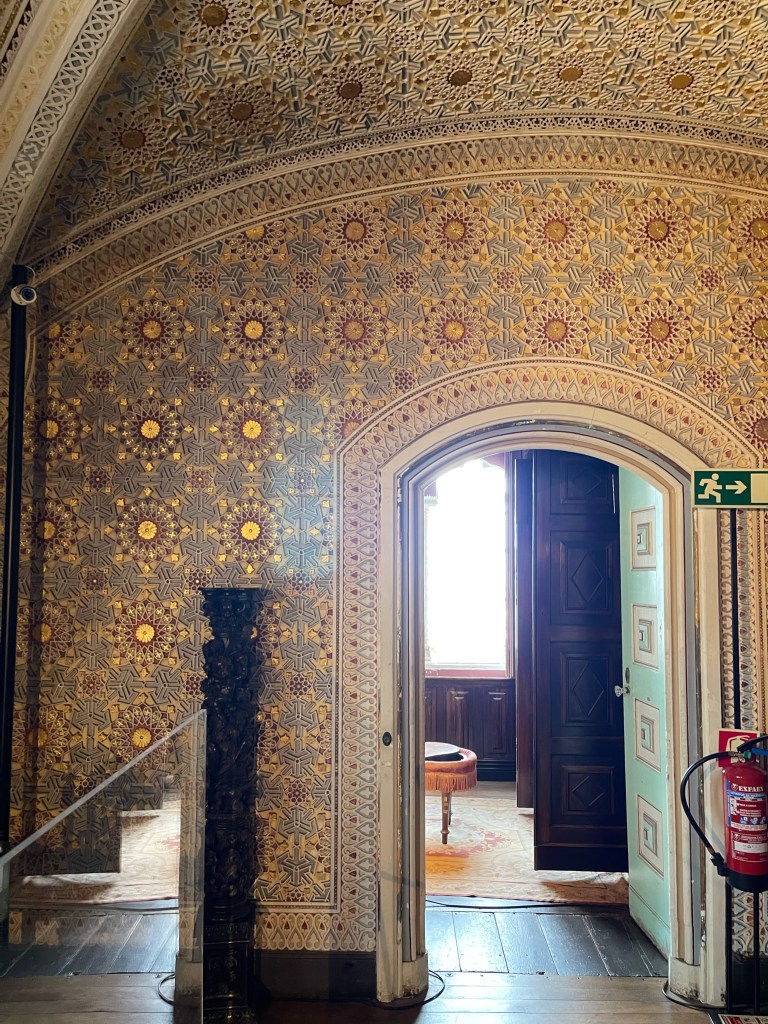
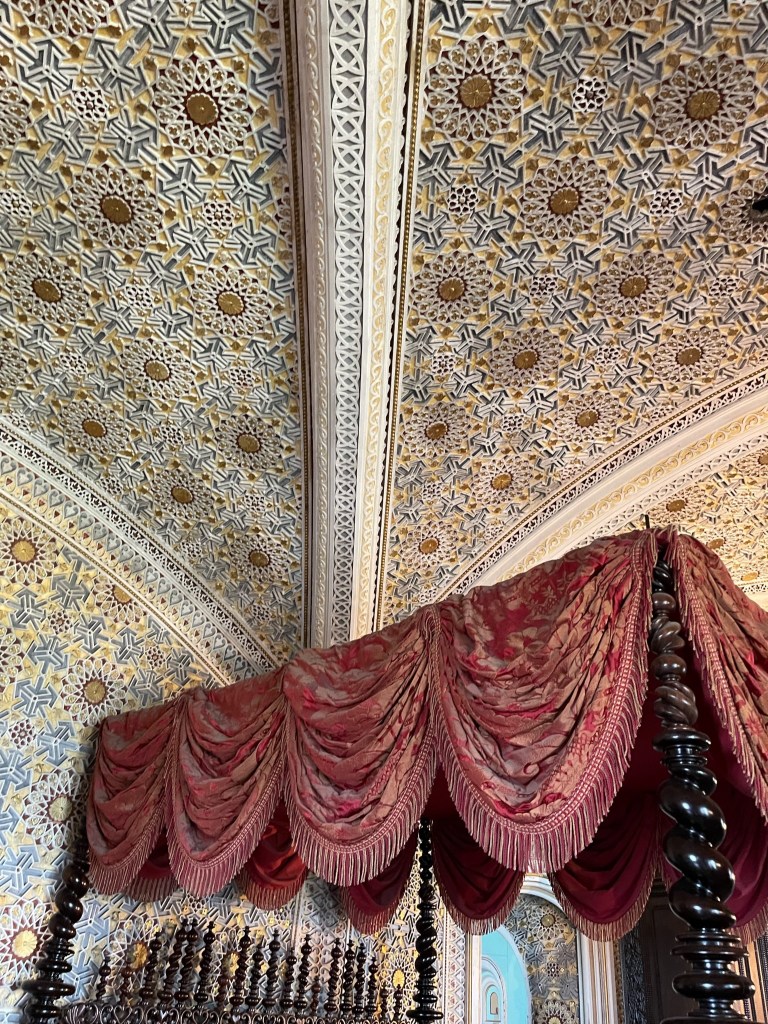
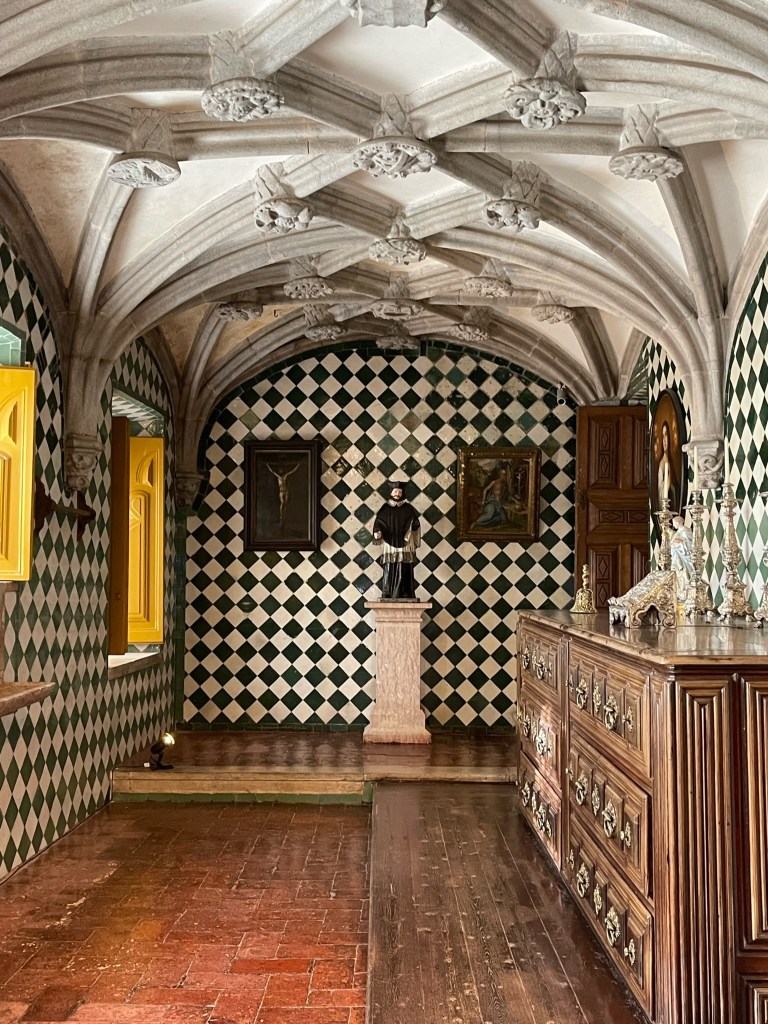
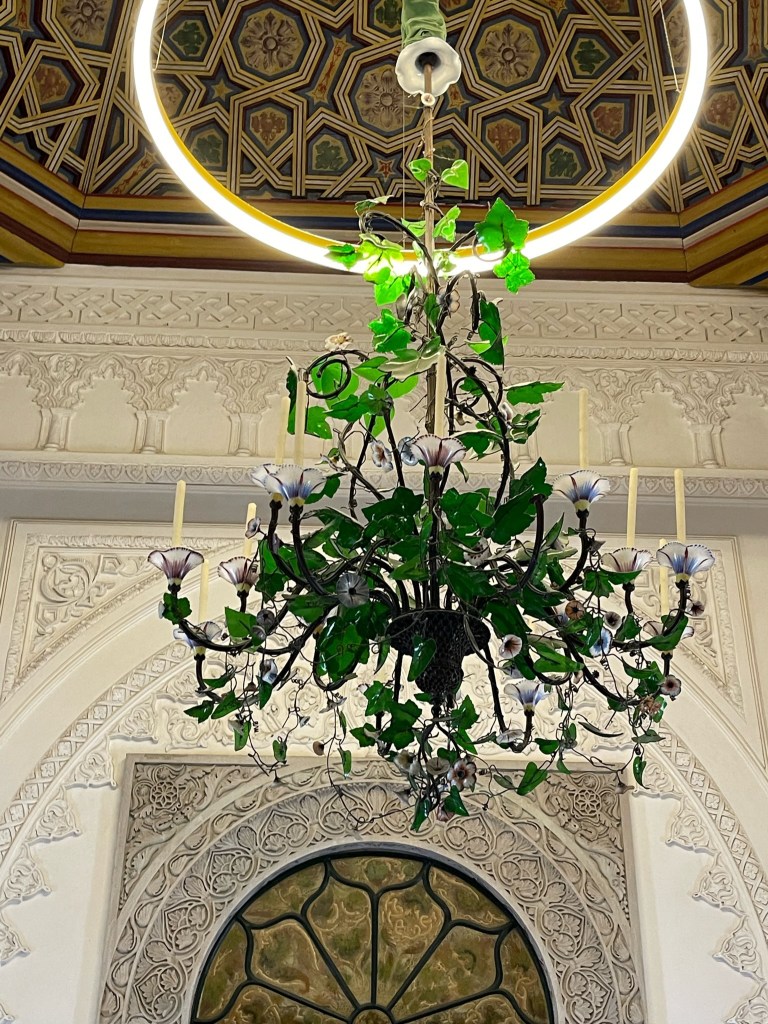
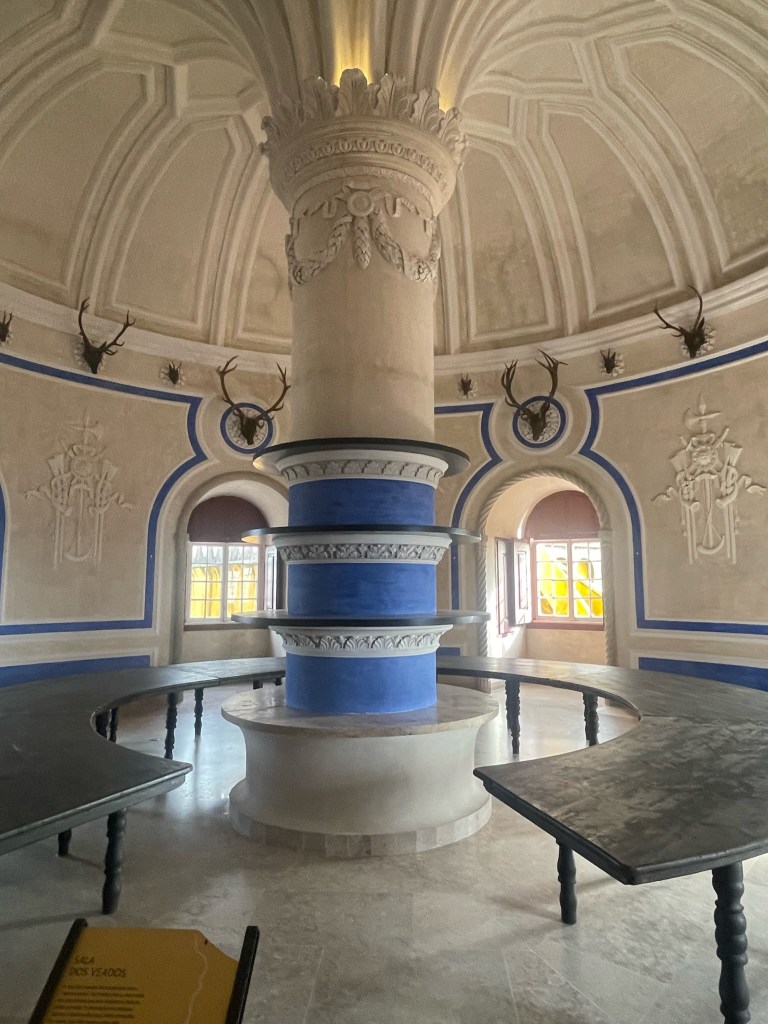
And here’s some interior shots! Beautiful color and details throughout. Prepare yourself, I have a lot of pics and had a hard time weaning any out!



The National Tile Museum!
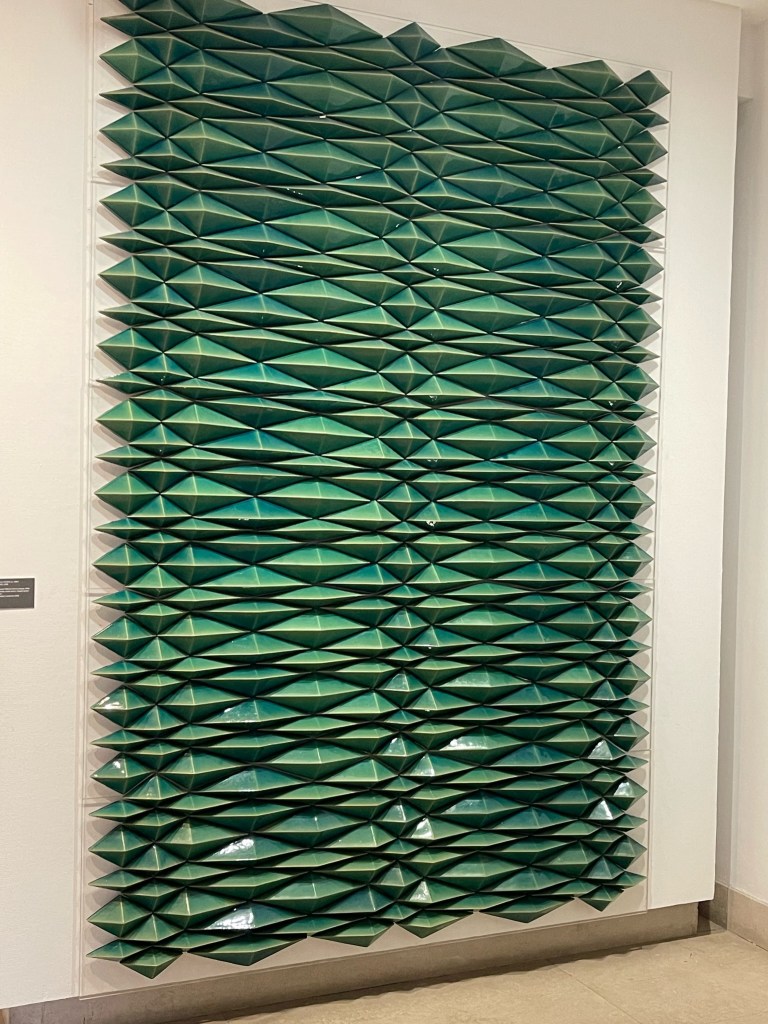
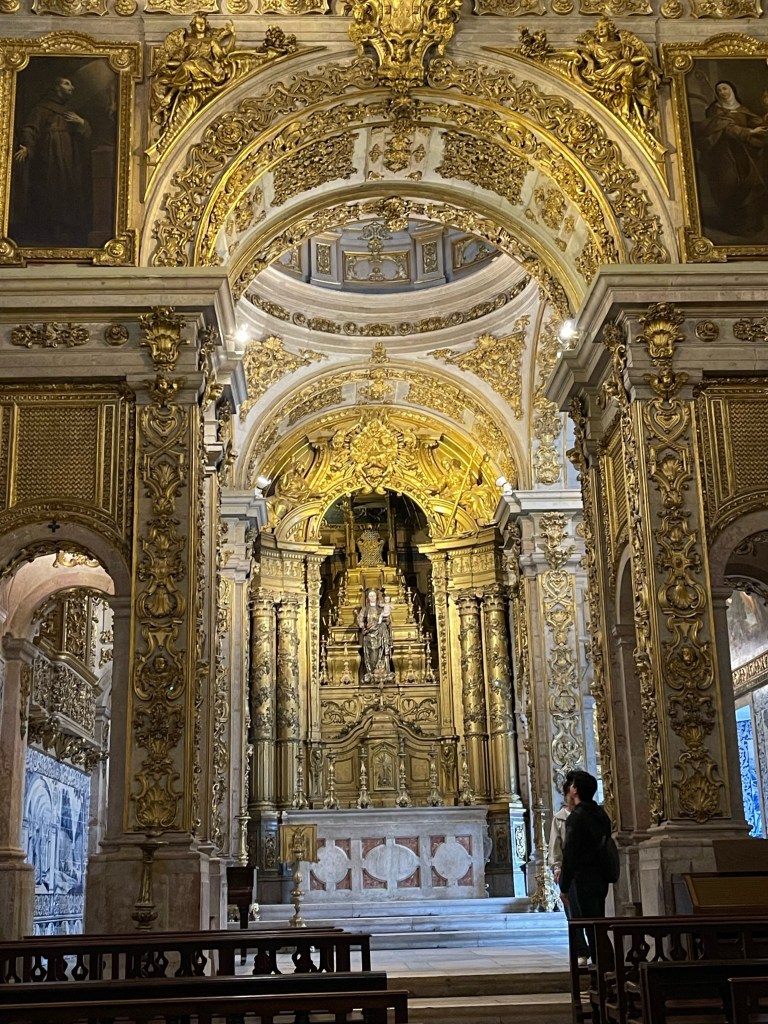
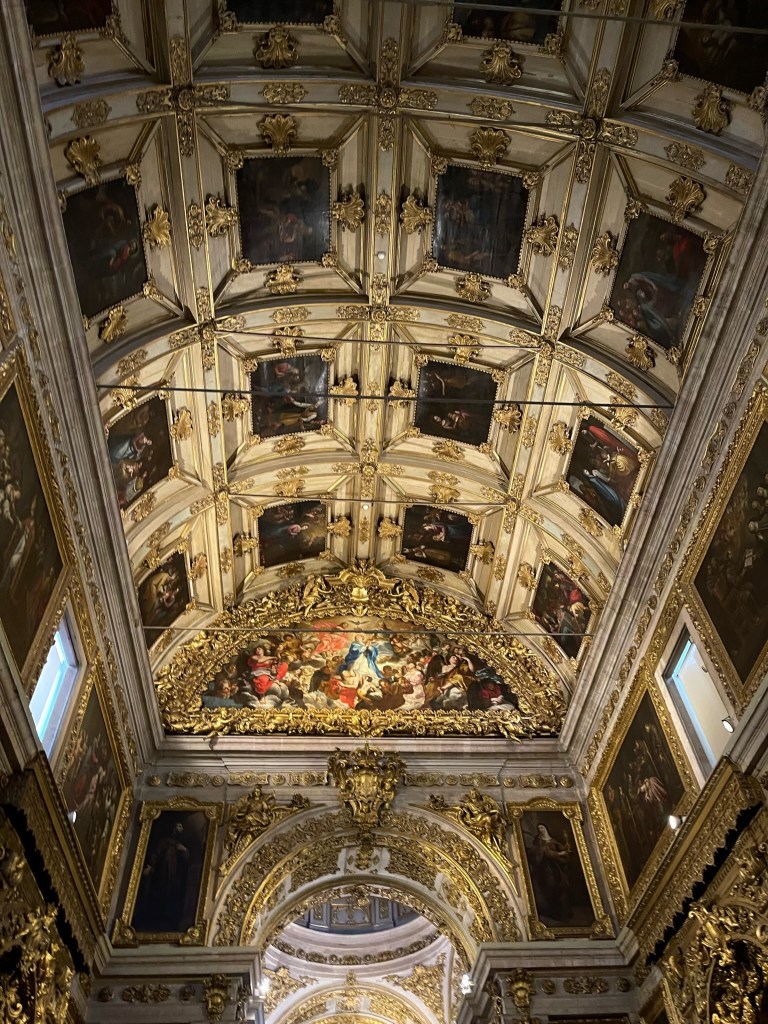
On our final day, we took a foray into the National Tile Museum for a closer look at Portuguese tile. The museum is set in Madge de Deus Convent, founded in 1509, which has its own historical tiles that set the museum up for a fabulous experience! The convent is decorated in full Portuguese baroque splendor, with gilded and carved wood, paintings and tile panels.





What we weren’t expecting was the spectacular Chapel within the Monastery, where Portuguese Kings used to worship. Quite spectacular.


 Gary and Jillian's New Adventures
Leave a reply to Vanessa Cancel reply