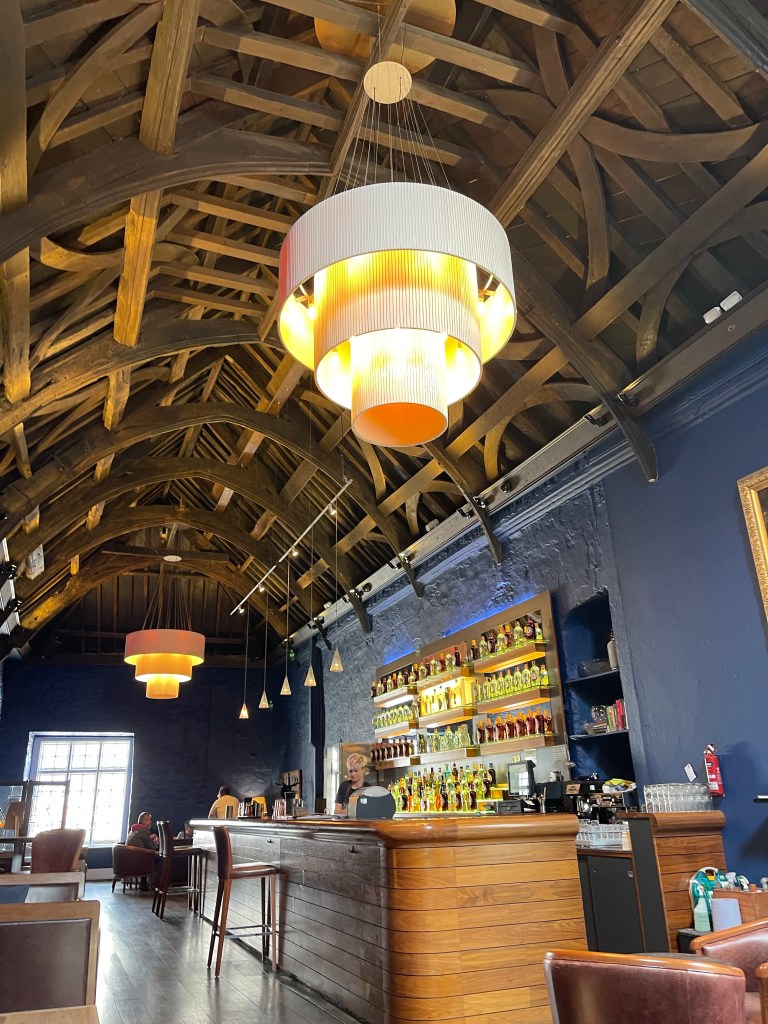
Gin is a very abundantly available spirit here in the United Kingdom. We’ve literally seen gin of various labels at the gift shop of EVERY attraction we’ve visited – even for Cathedral’s! So naturally we took advantage to book a tour of the Plymouth Gin distillery, the oldest working distillery in England. They’ve been making gin there following the original (and very secretly held) recipe since 1793. The distillery is housed in a beautiful medieval hall built in 1431 that ironically had once even served as a monastery. Not to get political, but it was reported that the pilgrim fathers (no mothers!) spent their last night in England at the building in 1620 before then taking a short walk down to the harbor to sail out on the Mayflower. The ship is a trademarked image on the label of the distillery’s bottles. Gin is made from wheat and a varying mixture of botanicals – however juniper berries must be the predominant botanical for the eventual spirit to be called gin. Surprisingly no technology is used in the distilling process, the readiness of the product to be bottled is based purely on the sense of smell of the master distiller. We got to handle and smell each of the 7 botanicals in Plymouth gin – juniper (of course), coriander seed, orange peel, lemon peel, angelica root, cardamom & orris root. We tasted 3 different types of gin produced by the distillery and ended up purchasing a bottle of Sloe Gin that I can drink “neat” or pair with ginger ale – it’s quite delightful! The tour ended with a complementary gin cocktail that we enjoyed with two lovely British women that we met on the tour who were gin purists and full of lively conversation and even more interesting gin facts.

We also finally took the opportunity to sample an authentic Cornish pasty. We got the steak variety which included carrots, potatoes and onion all wrapped in a flaky pastry and was piping hot inside even after sitting on the shelf after being baked. This was a special venture for Jillian who’s mother enjoyed making pasties and whose father enjoyed consuming them. Although it was a tasty treat, we’re of clear and totally unbiased consensus that Jillian’s family recipe is preferred (sorry to the Cornish, but not really!)


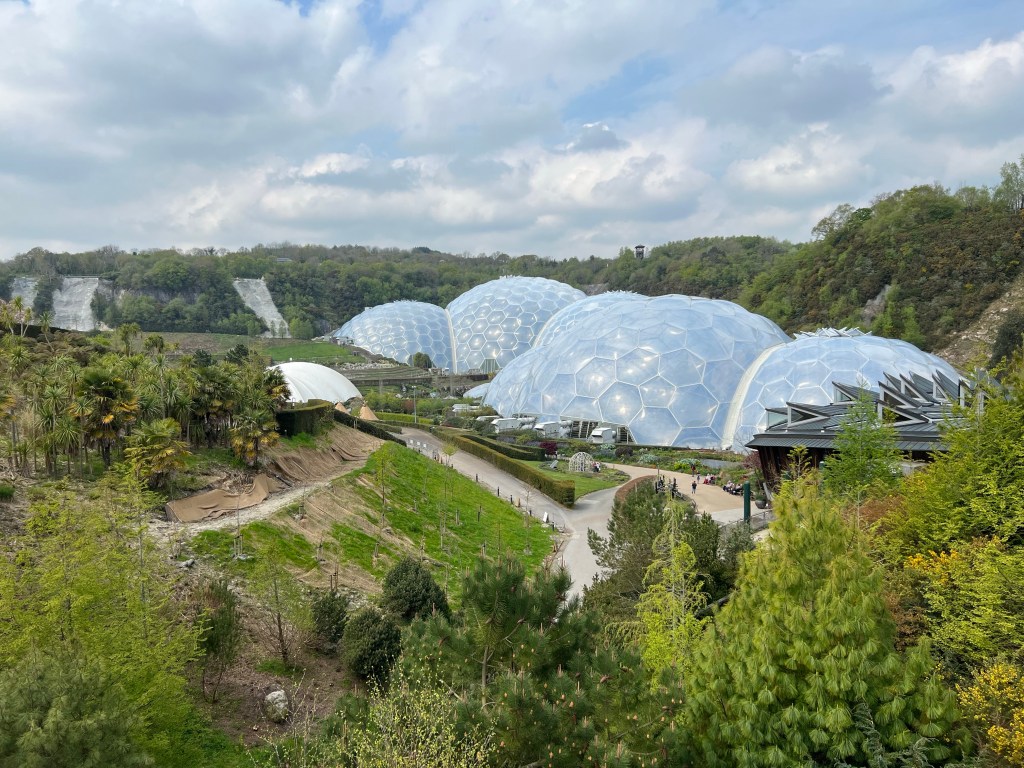
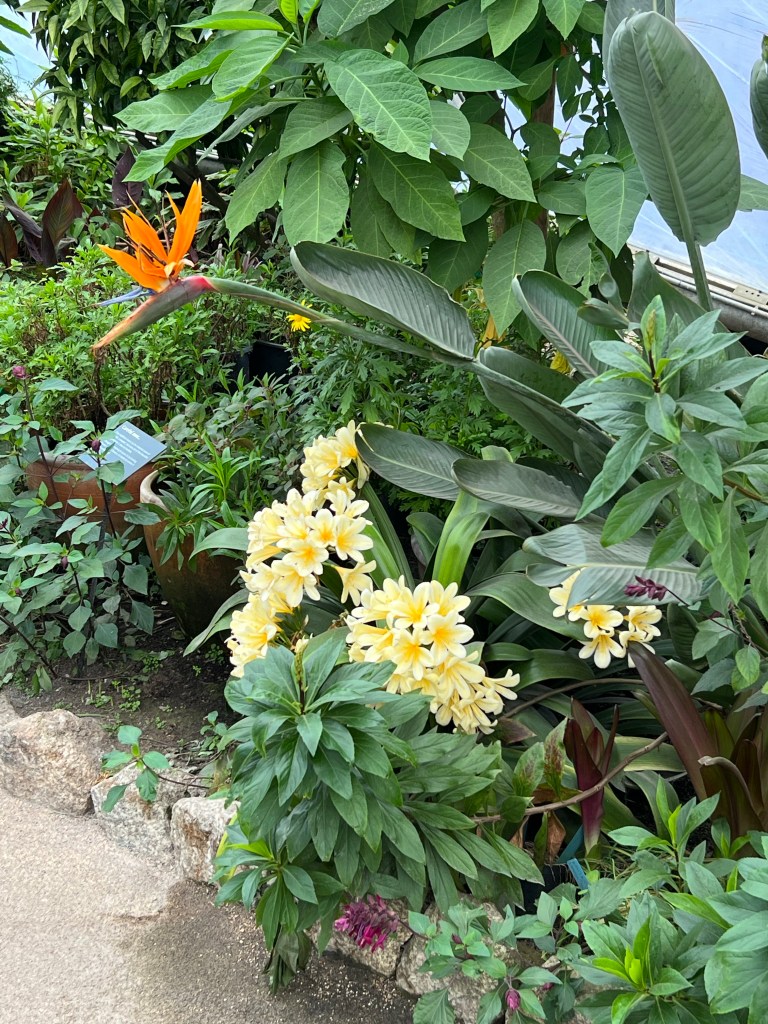
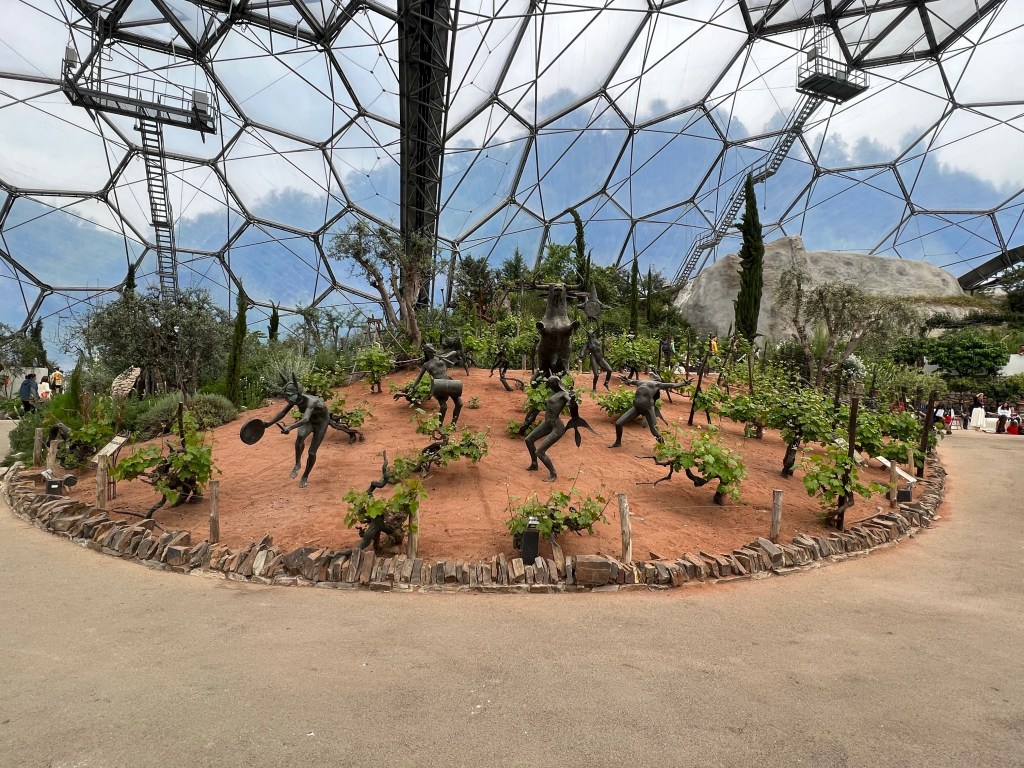
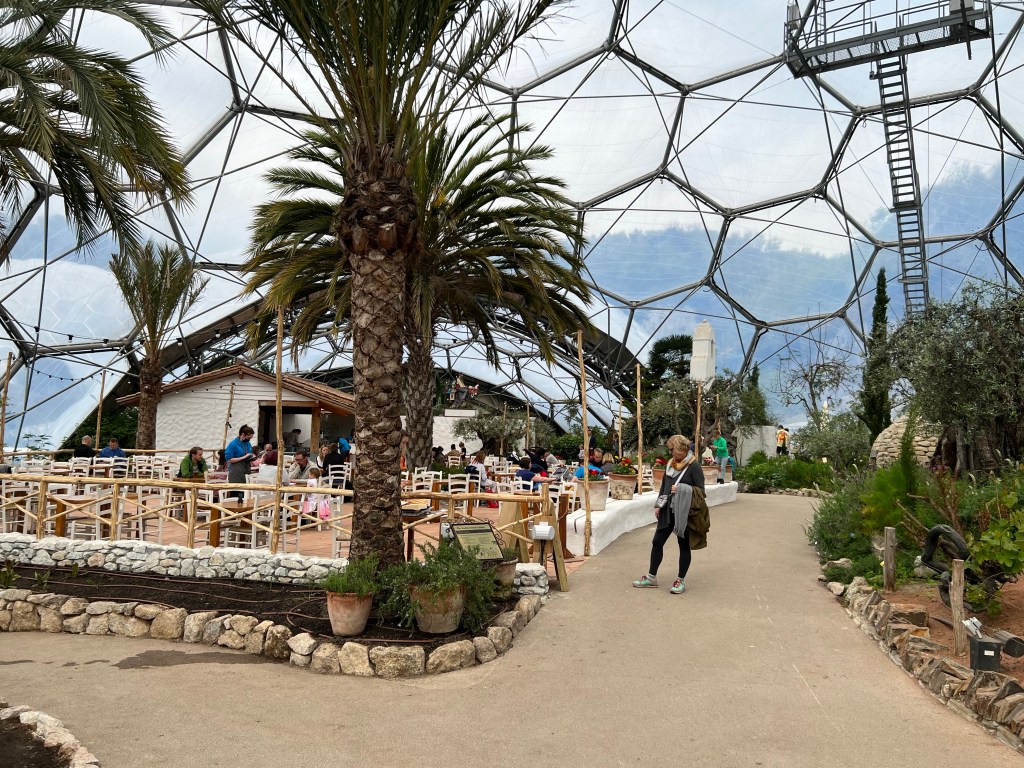
Another stop within the Cornwall area was the Eden project – the amazing transformation of an almost 200 foot deep barren clay pit into a thriving site showcasing the biodiversity of nature and brashly advocating and educating visitors for saving our environment. Within it’s futuristic looking biomes – one with a managed environment to replicate a rainforest and the other Mediterranean climates (including an area with native California flora!). Coming from a company that recently launched an audacious environmental goal of producing 100% electric power from non-carbon sources by 2030, I felt right at home with the vibe and mission of the Eden group.




 Gary and Jillian's New Adventures
Leave a comment