“The Wild Atlantic Way” is Ireland’s well-chosen tagline to brand its just amazingly spectacular coast. The trail stretches along the north, west and southern portions of Ireland, and at about 1600 miles in length, is one of the longest coastal routes in the world. We documented our travels along the northern portion in an earlier post, here we picked up the trail around the start of its southern terminal (Kinsale) and wound clockwise up through its western section where our terminus was the city of Galway.

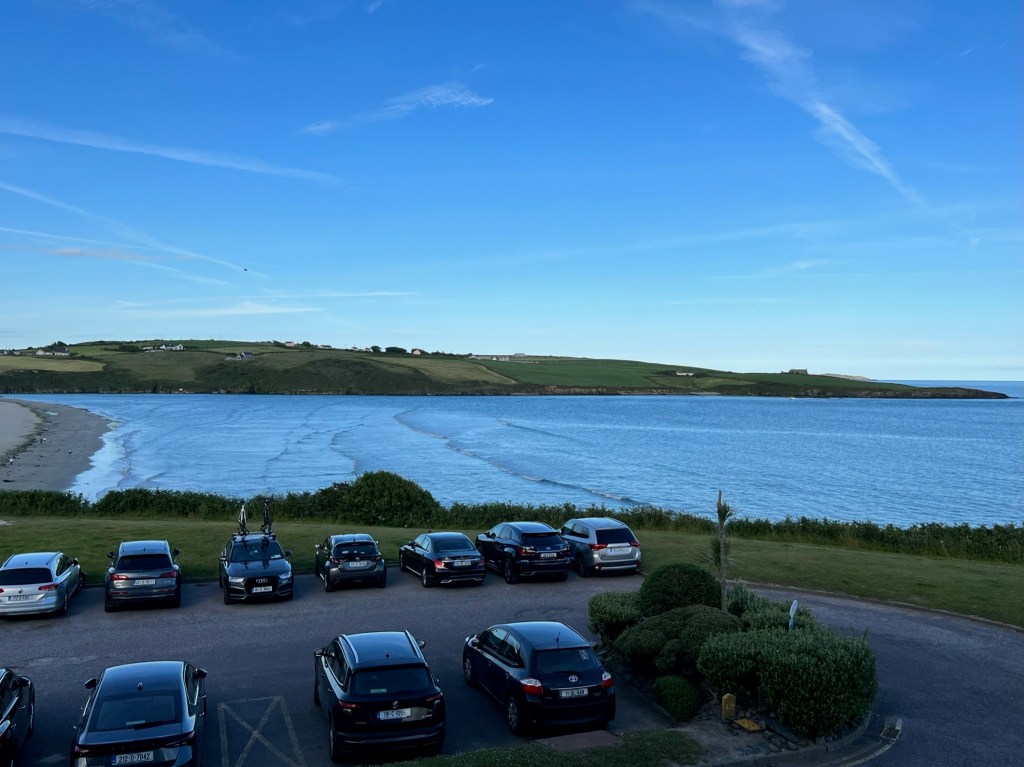
We spent a lovely five days at the Inchydoney Island Lodge and Spa with a wonderful room that had a panoramic view of the Celtic Sea. The view gave us access to one characteristic that justifies the “wild” tagline and that is the enormously long-distance tides. One scientific outfit reported the average tidal range to be 11 meters (36 feet), however when this distance is mapped onto a beach my unscientific and imprecise estimate of the distance between low and high tides was around 200 yards!


We got great regional guidance, recommendations and advice from a “local” – Annamarie Crowley – who also happens to be a dear friend and former SMUD colleague now re-situated in her homeland of Ireland.
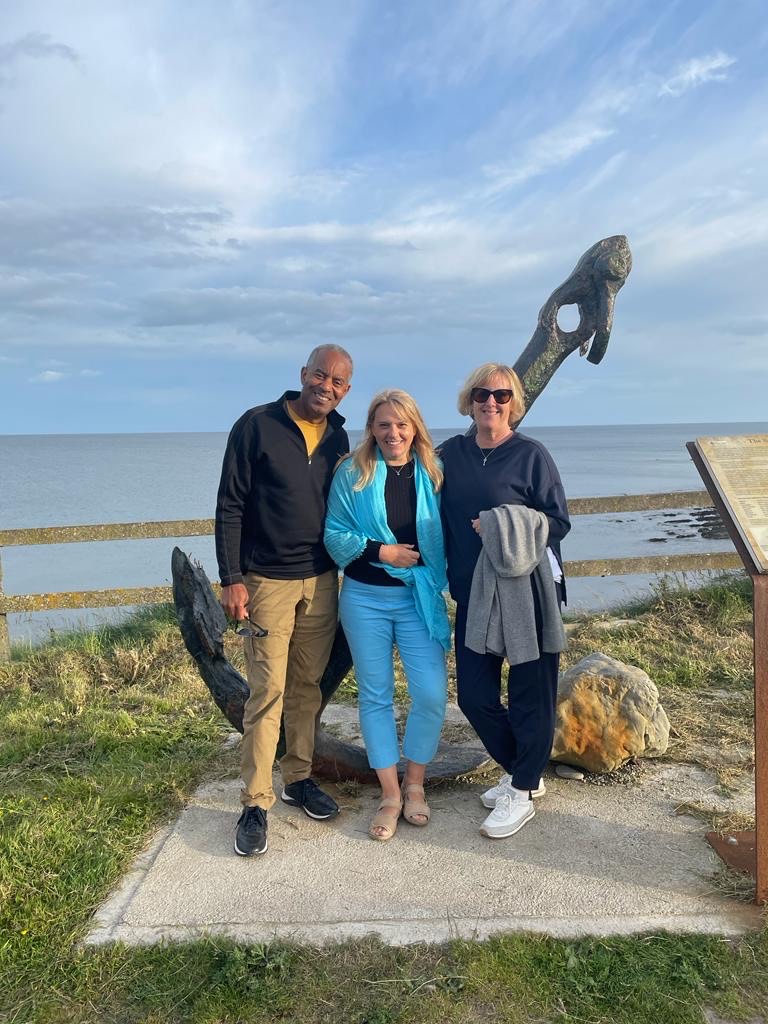
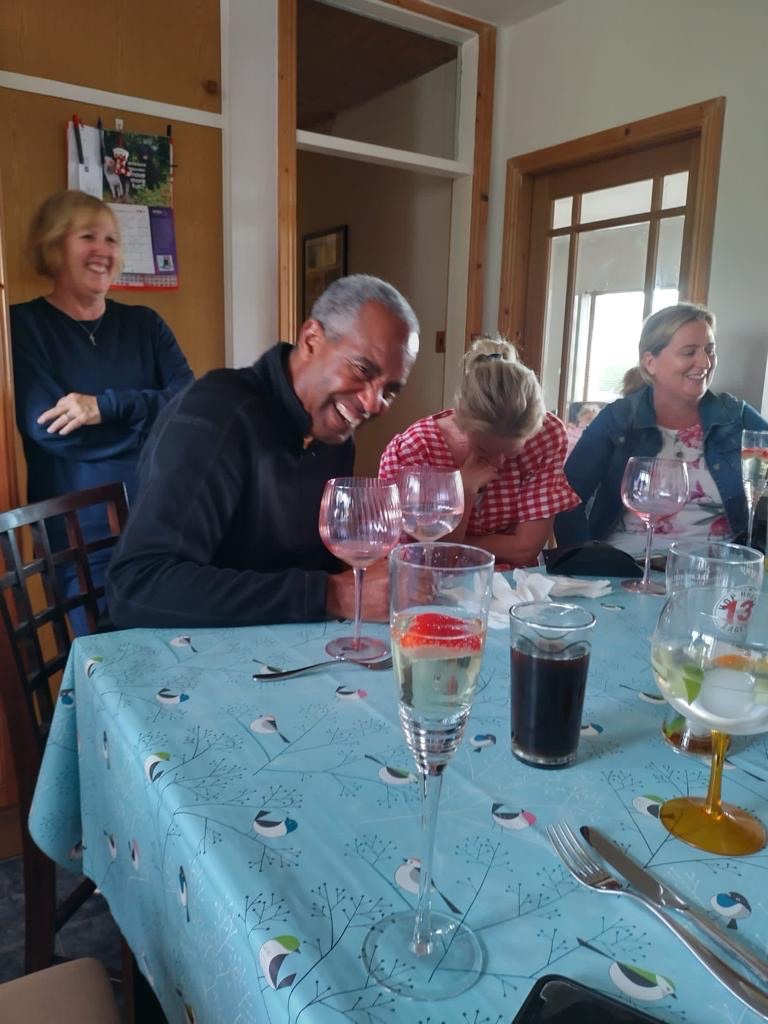
Anna traveled with us along some of our route. We also got the treat of meeting her friend group and some family members at a BBQ and were honored to be granted inclusion as part of this very wild and fun bunch. Their stories and antics caused so much laughter that my face and side actually got sore! One thing is for sure…the Irish have a great sense of humor!
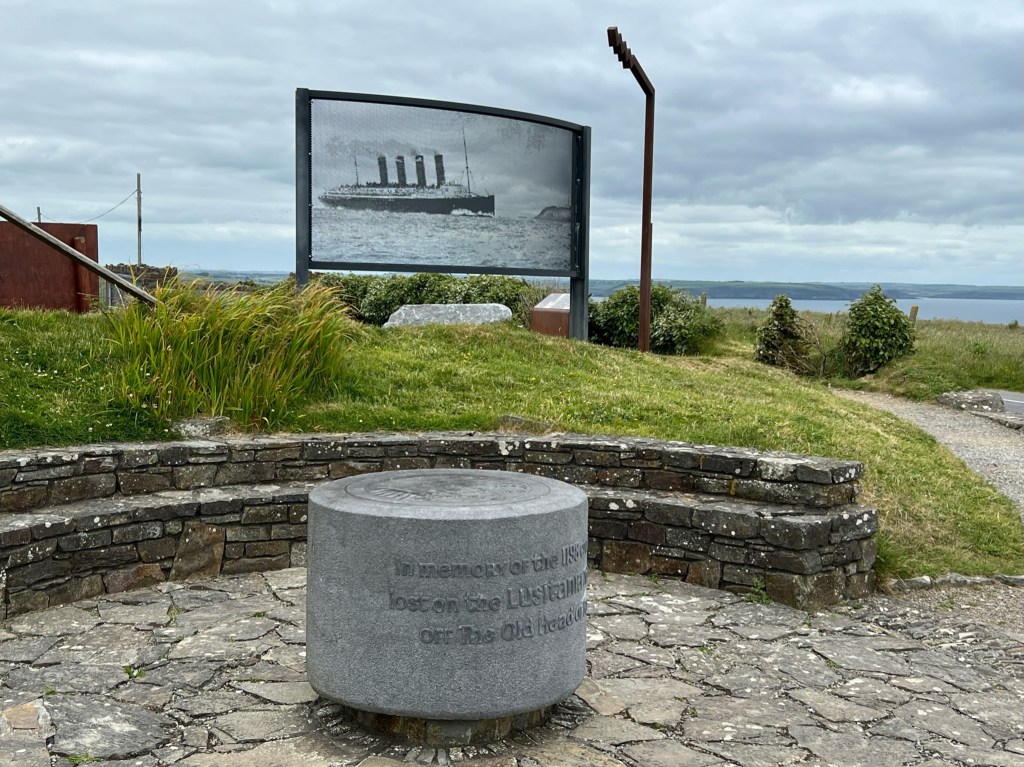
We drove along the scenic coastline north to the start of the Wild Atlantic Way and stopped at the Old Head signal tower (near Kinsale). Here we found a memorial for the tragic sinking of the UK-registered passenger ship Lusitania by a German U-boat in 1915. Almost 1,200 (of 1,900) passengers aboard, including 120 Americans, perished. This incident contributed to the U.S. entry into WW1.
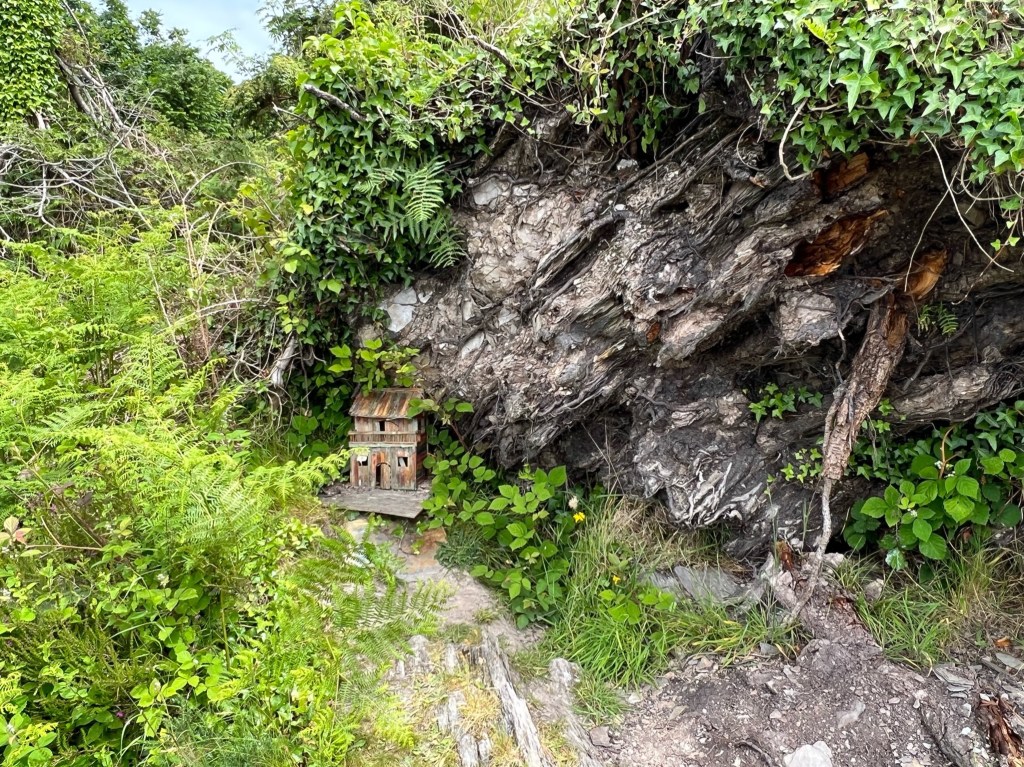
We took an interesting hike near Union Hall where the trail is scattered with fairy houses – the story is these houses were secretly placed here to entice children and parents of children to get out into nature and explore the trail
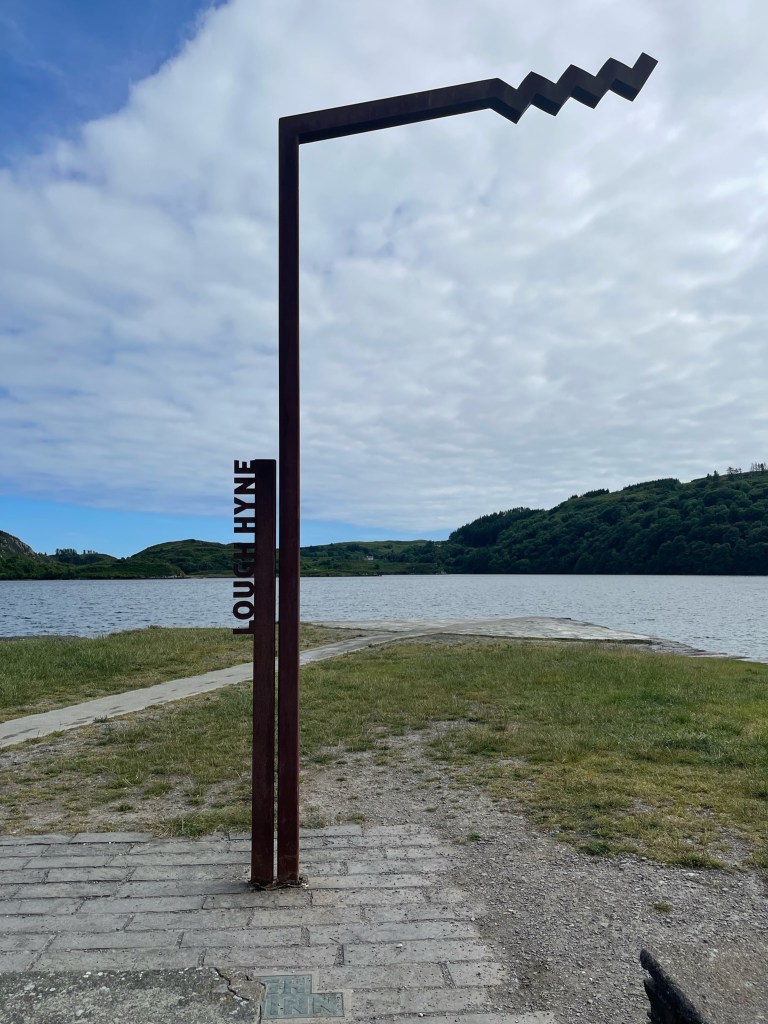
We also made a stop at Lough Hyne, a small lake with a very wide span of seawater movement over the course of its tidal currents. Due to this unusual water fluctuation, the lake sustains a wide variety of plants and animals that are not found anywhere else in Ireland. Jillian was most pleased to get her first glimpse of an early blooming heather along the hills around the Lough.


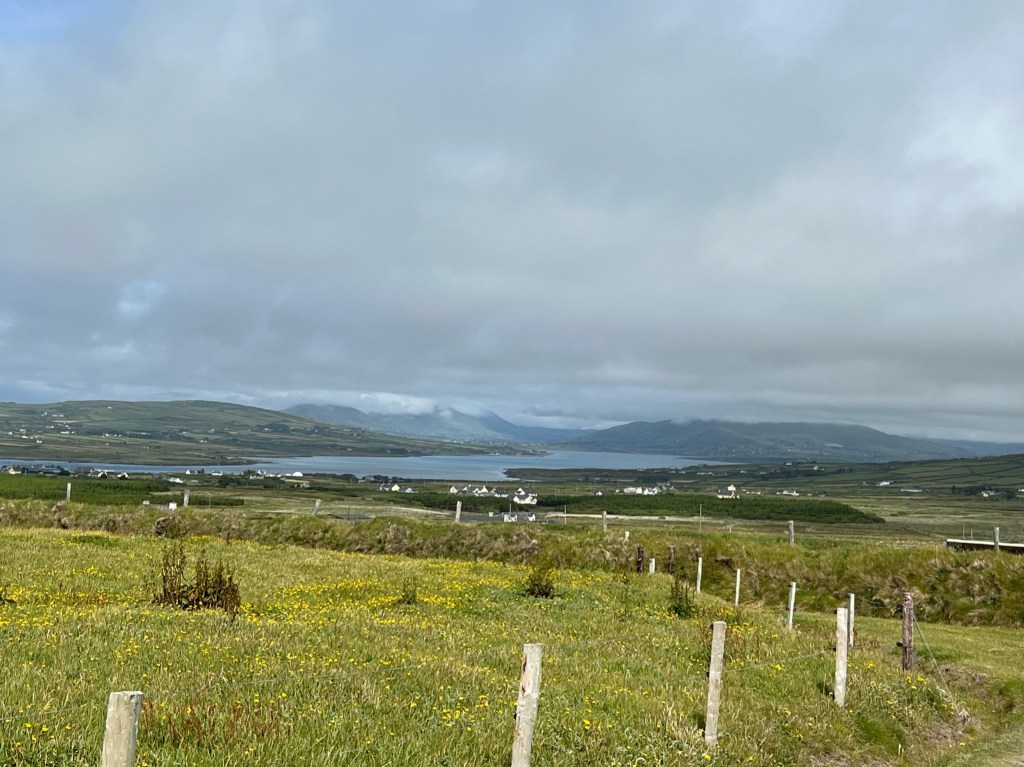
As we traversed from the southern to western segments of the Wild Atlantic Way, we encountered several notably pronounced peninsulas which resemble long fingers of land jutting far out into the ocean. We drove to the farthest reaches of several of these peninsulas which are dotted with small, charming towns (some fishing villages and others hosting interesting locally-owned shops) bearing interesting names such as Skibbereen, Schull, Ballinskelligs, Glengarriff, and Dingle. The views along these roads is typically breathtaking.

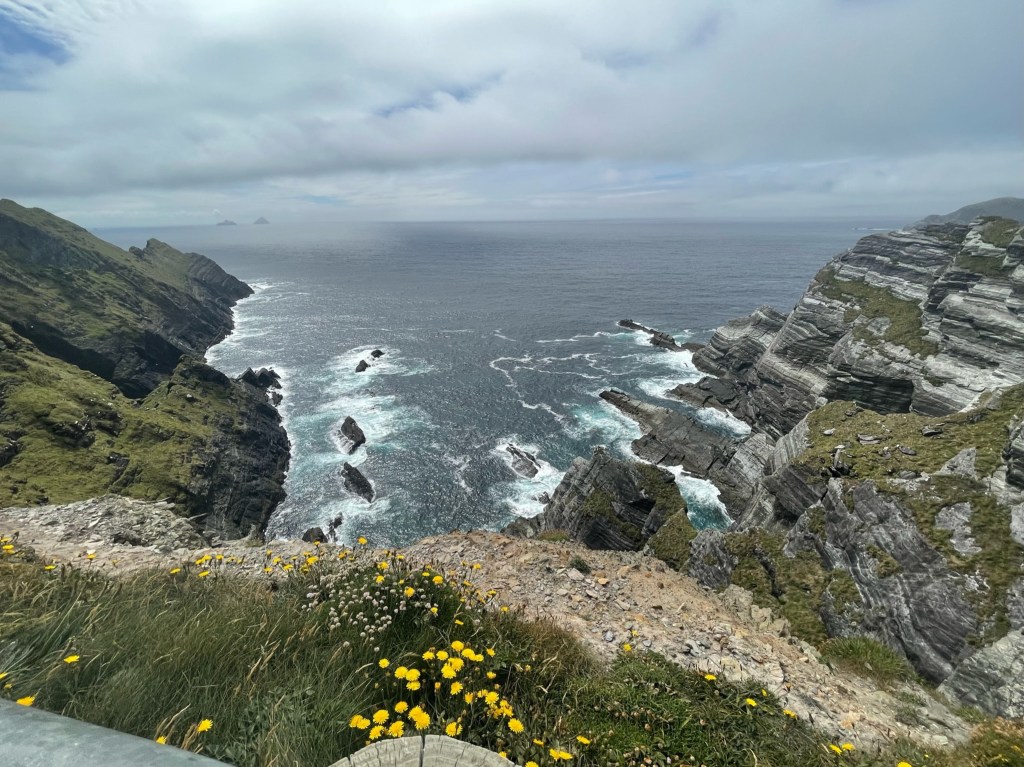
One of our mornings dawned with a low, misty marine layer obscuring our ability to see much of the coastline vistas. However the clouds magically dissipated as we got to the amazing Kerry Cliffs near the town of Portmagee. These majestic cliffs rise over 1000 feet almost seemingly straight up from the Atlantic Ocean.


About six and seven miles off the coast sit the Skellig Islands – Little Skellig and Skellig Michael respectively. The landscape of both these islands is extremely steep and inhospitable. What makes this fact amazing is that a Gaelic monastery was somehow built on the larger island between the 6th and 8th centuries. The monastery is accessed via a frighteningly narrow, steep and lengthy stone steps. Due to a very challenging crossing and approach, the islands are typically considered accessible only during the summer months. Skellig Michael is also famed for it being the location for scenes from the most recent Star Wars trilogy. Episode VII “The Force Awakens” and for “The Last Jedi” were filmed on the island.
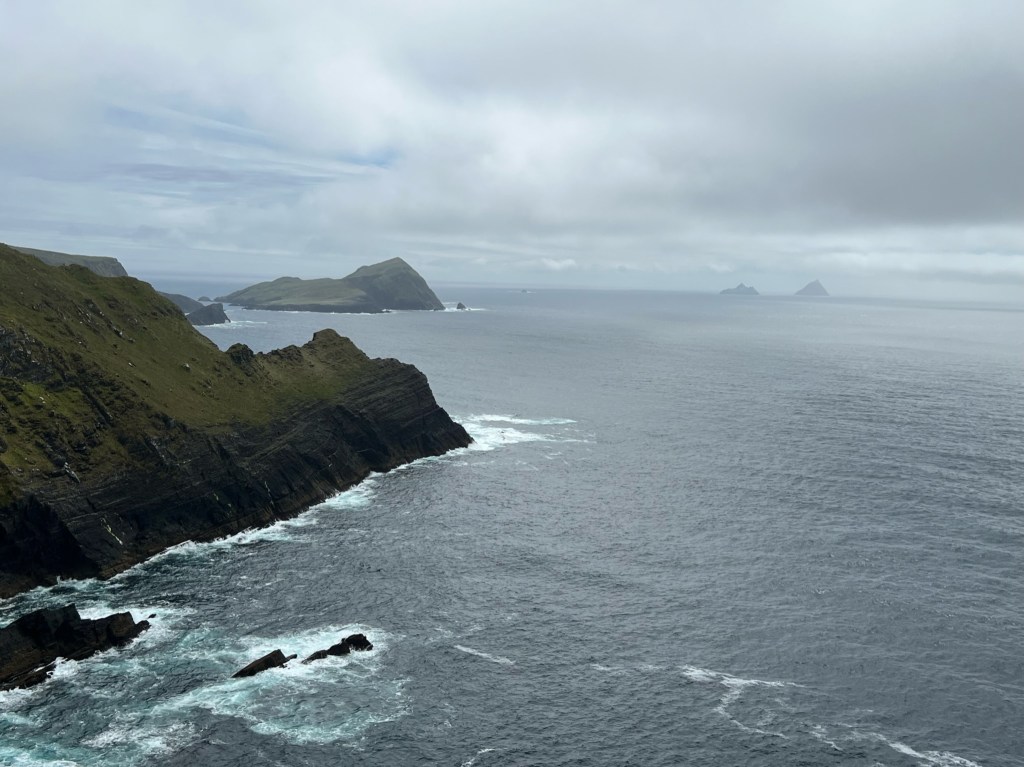
Trips by boat (over 1.25 hours each way) left from Portamagee to Skellig Michael, however we didn’t embark on this adventure. A museum we visited about the island and monstary confirmed our good judgement as there were many tragic stories that documented visitors seriously injured or killed during their trek along the stairs.
Along the Dingle peninsula, we were fortunate in our timing to coincide with a sheep-hearding dog demonstration. These are wily smart, wickedly fast and seemingly endless energy dogs that look to truly love the work of driving sheep in response to their sheepherders commands. Our demonstration duo consisted of a veteran (who was bilingual – followed commands in both English and Irish) along with a younger apprentice in training.


 Gary and Jillian's New Adventures
Leave a comment